Freedom of Assembly and Petition With Ralph Young
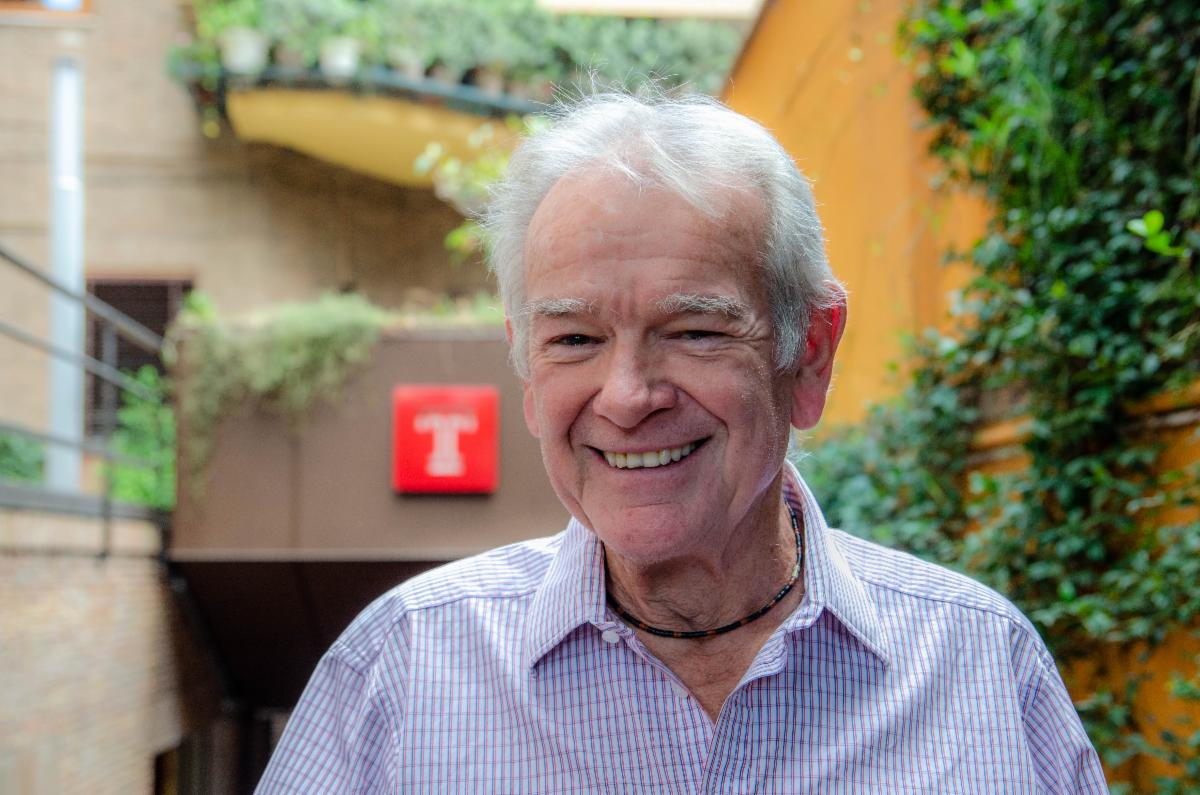
Ralph Young, professor of history at Temple University and the author of Dissent in America: Voices that Shaped a Nation, joins this Fun Friday Session for a discussion on the First Amendment’s assembly and petition clauses. We will explore moments of American dissent from the Declaration of Independence and the Revolutionary War, through the civil rights and anti-Vietnam War protests of the 1960s, to modern movements—and what they mean for constitutional change. Professor Young will also discuss his career as a writer and historian, as well as answer questions from participants.
|
|
What Next?
Throughout the month of February, we will explore First Amendment rights and civil liberties, with a focus on how African Americans have used these fundamental rights to change the Constitution.
|
|
Civil Liberties Overview
In this session, students will explore civil liberties—the basic individual rights of all citizens, as expressed in the Bill of Rights and reinforced by the 14th Amendment. The Constitution, and (especially) the Bill of Rights, guarantees many of these liberties, but have they always been respected? This class will explore civil liberties through the Second, Fourth, Fifth, and Sixth Amendments.
Monday, February 22, and Wednesday, February 24
Friday, February 26, with Bruce Murphy
|
|
Available on Tuesdays and Thursdays, these sessions include your class, a scholar, and a moderator—and are available on any Scholar Exchange topic.
|
|
Led by student voice and moderated by scholars, judges, and teacher facilitators, students across the nation are connected for virtual discussions about the Constitution. Register your class to receive both content-driven and civil dialogue lesson plans.
|
|
Join teachers from across the country and engage with ideologically diverse constitutional scholars and master teachers for one of our summer professional development opportunities. Apply for a weeklong virtual Summer Teacher Institute or our new three-day virtual Summer Teacher Workshop in July 2021.
Constitutional Conversations and Civil Dialogue
Why is civil dialogue important? How was it used during the arguments around the U.S. Constitution? What are meaningful ways to incorporate this type of discussion into your curriculum?
Building the U.S. Constitution
What rights make up the structure of the U.S. Constitution? How do the articles define rights and responsibilities at the core of the government? How have these rights changed throughout history?
Battles for Freedom and Equality
What has the struggle for freedom and equality looked like throughout history? Where are constitutional protections of these rights? What movements have defined this struggle?
Available exclusively for members of the Center's Teacher Advisory Council
The Bill of Rights
What were some of the influences on the shaping of the Bill of Rights? Why are those specific rights included in the Bill of Rights? How has the Bill of Rights changed since the founding?
There is no cost to attend a summer program, but interested educators must complete a successful application by Friday, February 26, 2021.
|
|
The Center’s Virtual Museum Experience includes signature features of the on-site experience. Highlights include LIVE INTERACTIVE TOURS of key spaces including our main exhibit, The Story of We the People; the iconic Signers’ Hall; the Civil War and Reconstruction exhibit, featuring over 100 artifacts; and our newest exhibit, The 19th Amendment: How Women Won the Vote.
Participants can join from the classroom or from home through a secure Zoom link, accessible from a home computer, laptop, or phone. The Center will provide all of the necessary resources, including the registration links, educational materials, and technological support, if necessary. If you wish to use a different platform, please let us know and we will be more than happy to work with you.
|
|
The National Constitution Center's education team is here to help with any of our online resources. Email [email protected] with questions or comments on how we can help you and your students with your remote learning needs.
|
|
|
|
|
|
|