Weekly Update
A newsletter from The Hechinger Report
|
|
Sponsored by:
|

|
|
|
|
In this week's edition: Experts say young kids need mental health support and protection from witnessing aggressive ICE actions. Advocates worry that the promise of a higher education will soon drift further out of reach. Plus, a new study finds that lenient grading, or grade inflation, is actually harming students.
|
|
|
|
|
|
|
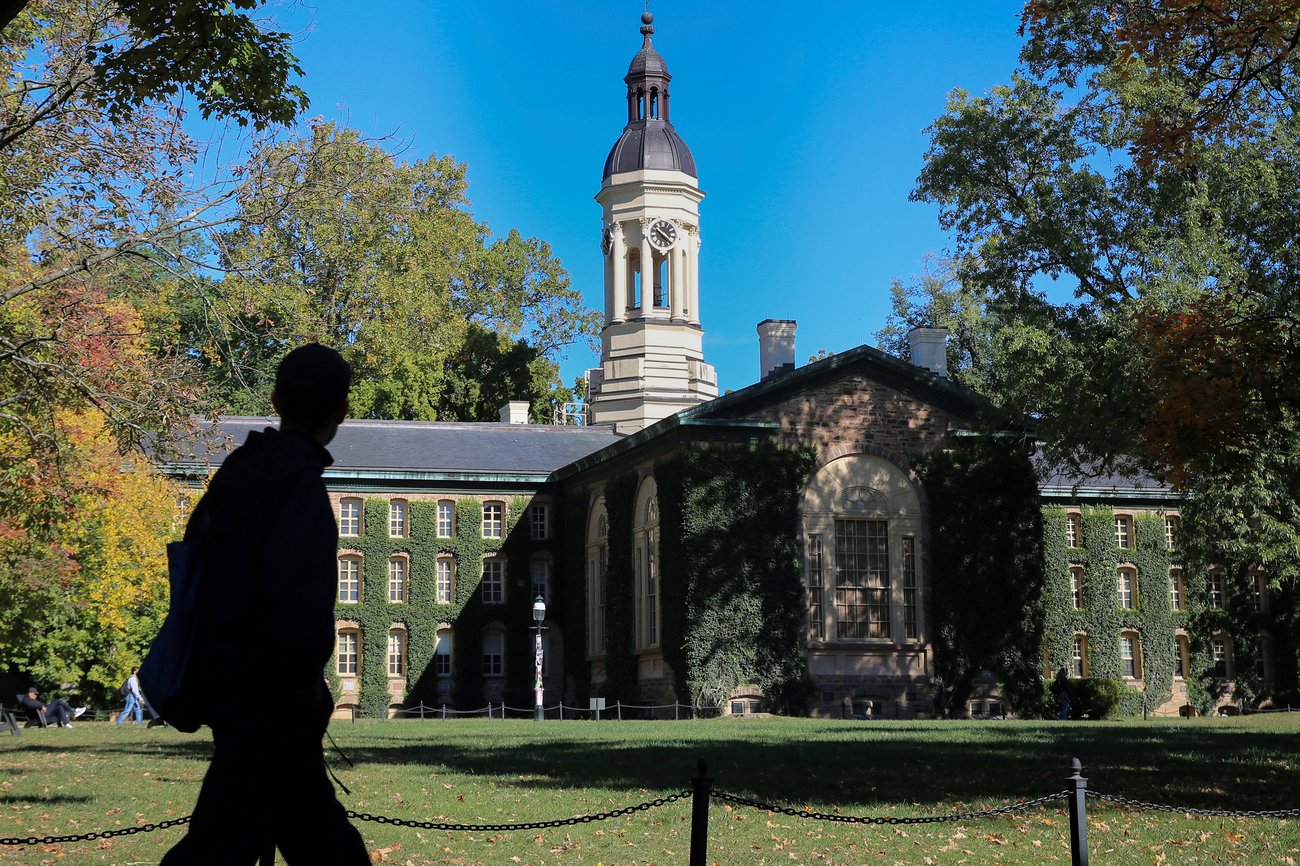
Low-income college students, whose proportion of enrollment is already dropping, could soon face new obstacles to going to and graduating from college. Credit: Ted Shaffrey/AP Photo
|
|
|
|
Funding cuts, shifts in aid could make college harder to afford for low-income families
|
It was in the quiet of the summer when Jeff Kahlden heard that a promising young student he advised in a rural high school west of Fort Worth, Texas, was in trouble.
The boy was left with no place to live after his grandmother, who was raising him, had a stroke.
Kahlden was then counseling low-income high school students considering going to college. The work was part of Upward Bound, part of a collection of federally funded higher education support programs for lower-income Americans called TRIO.
He and other Upward Bound staff took the boy into their own homes and gave him the help he needed to get through his senior year of high school, then on to community college and ultimately to a satellite campus of the University of Texas, where he earned a bachelor’s degree.
They made sure he took the courses he needed to keep moving forward and filled out the application and registration paperwork that is daunting even for young people who have parents to pitch in. Other TRIO programs provided more support for him along the way.
Without TRIO, said Kahlden, who oversees the same group of programs today as director of grant management services at Dallas College, a lot of low-income students “would not leave home or take the route they might have as a college student or realize the opportunities that are out there.”
Now TRIO has come under the scrutiny of the Trump administration, which has already moved to cancel TRIO funding for some participating colleges (though this was paused in January by a federal court and remains in litigation) and proposes to eliminate it altogether; letters from the Department of Education to those colleges show the money was cut off because the programs were considered part of diversity, equity and inclusion, or DEI, efforts.
|
| Read the story
|
|
This week's newsletter is sponsored by:
|
|
|
Bring innovative ideas and new strategies back to your community. SXSW EDU 2026 is where you can connect with education professionals for four days of groundbreaking sessions, global networking, and unparalleled inspiration.
Learn more about what to expect in Austin, Texas March 9-12 and register today.
|
|
|
|
|
|
Parental stress, raids, and isolation |
Last year, Susana Beltrán-Grimm was visiting Hispanic families for a research project about parents and math, when she started to notice a trend. Parents didn’t want to talk about math with the Portland State University professor. Instead, they wanted to talk about their fears as immigration enforcement ramped up across the country.
“The concern was, ‘This is happening, and I’m scared to go to work, I’m scared to take my child to the park. I don’t feel comfortable taking them to school,’” Beltrán-Grimm said. Many parents told her, “I’m trying to figure out how I’m not as stressed so I don’t stress my child,” she recalled.
These comments led Beltrán-Grimm to launch a small pilot study looking at how parental stress and fear around immigration enforcement was affecting children, and specifically, their opportunities to play. Her initial findings painted a clear picture: Parents were so fearful of immigration enforcement, they were avoiding taking their kids to playgrounds and parks.
“They’re living in survival mode,” said Beltrán-Grimm. That has consequences for young children, she added, who are now losing out on chances to play and can easily pick up on their parents’ anxiety. “That’s not a good way for a child to develop,” she added.
Beltrán-Grimm’s initial findings from the pilot study, which is expanding this year to nearly 500 additional families, add to a growing body of research tracking the effects of aggressive immigration enforcement on the mental health of young children.
|
|
|
|
|
|
|
|
A new study finds that lenient grading, or grade inflation, is actually harming students, leading not only to worse academic outcomes but also reducing their employment prospects and future earnings.
|
|
|
|
|
|
|
|
|
|
|
Copyright © 2025 The Hechinger Report, All rights reserved.
|
|
|
|
|