|
The inability to replace the best athletes in the world, and their role as the star attraction for any sports fan, gives them leverage to make sure they benefit from their own labor. At least, most of the time. Thanks to their collective-bargaining agreements, major league baseball players make roughly 47 percent of total league revenues, NFL players make approximately 48 percent, and NHL and NBA players make 50 percent.
And then there are the players of the Women’s National Basketball Association.
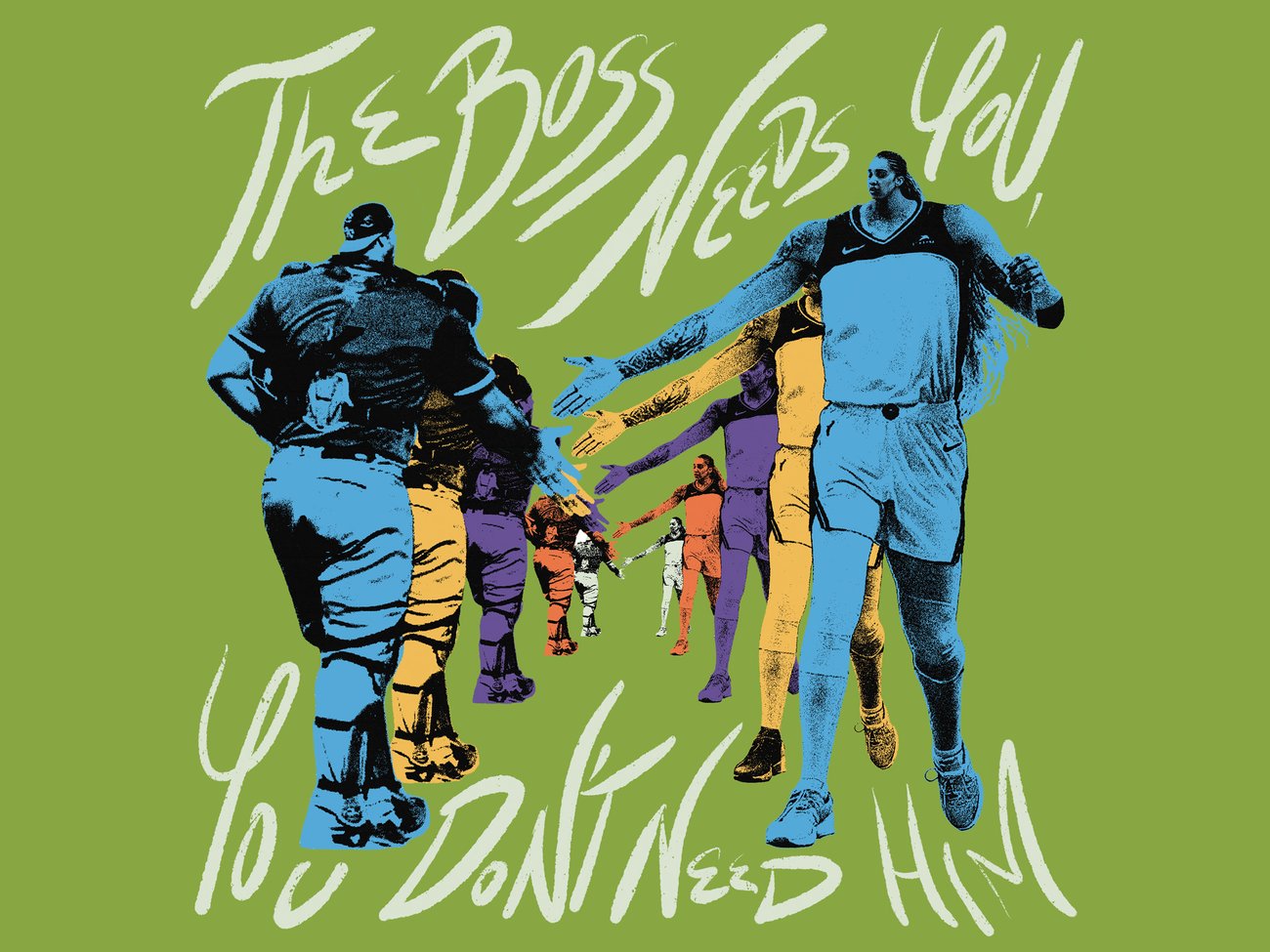
WNBA players make a bare 9 percent of league revenues, and their current efforts to raise that take to 30 percent in a new contract have been rebuffed by their employers, who have offered the players just 15 percent of league and team revenues—a share that will actually decrease during the life of the three-year contract. The current contract expired January 9, and owners and the Women’s National Basketball Players Association (WNBPA) remain far apart. In December, more than 90 percent of the players voted to authorize a strike if a more equitable settlement isn’t reached.
The WNBA fight is a signature one in the history of sports unions, which have always had to struggle to gain their fair share of the enormous profits they generate. In leagues where players turn over every few years and solidarity can be hard to find, big victories can be hard to come by. But given the cultural pedestal upon which sports is placed, those victories can reverberate across the entire labor movement. For working people today, all eyes should turn to women’s basketball. |