|
Feb. 5, 2026
Stay informed! Here’s a summary of upcoming wildlife and habitat management activities and ways you can discover, explore and experience Minnesota’s outdoors.
February is National Bird-Feeding Month!
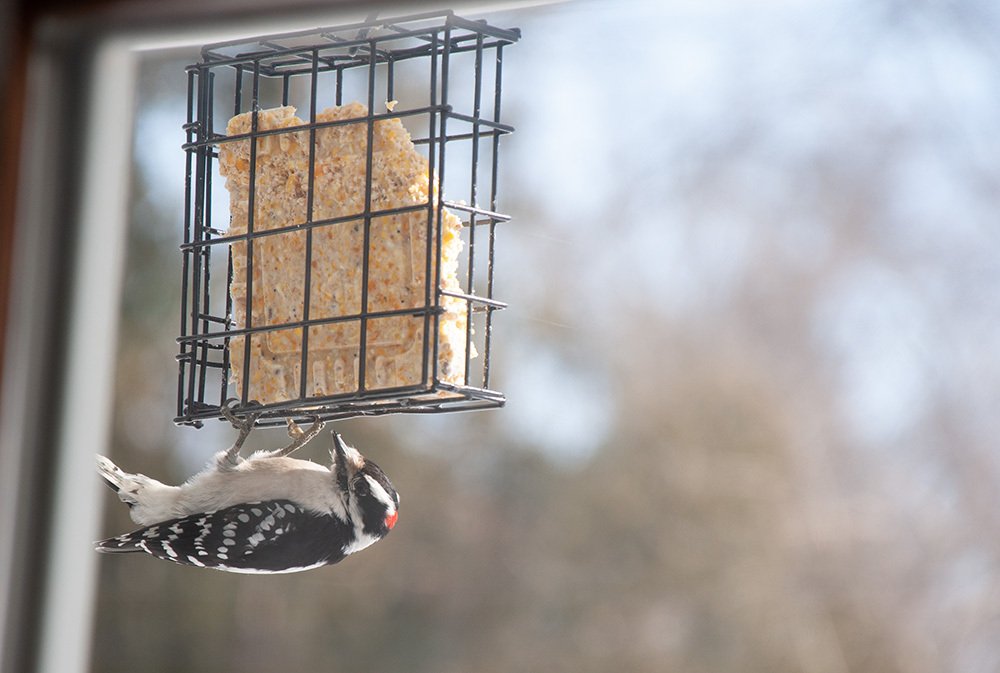 Enjoy watching birds at your feeders in winter? Here are some simple feeder tips:
- Keep feeders clean – moldy birdseed and dirty feeders can make birds sick. Discard any wet or moldy feed, then disassemble and sanitize your feeder with hot, soapy water or a 10% bleach solution. Let it dry completely before refilling.
- Serve high-energy suet – this winter superfood keeps birds warm and energized.
- Pro tip – use upside-down suet feeders. These hold suet, like shown in the photo, but unlike the photo they are enclosed except on the bottom of the feeder. Woodpeckers, chickadees and nuthatches love these feeders, while the feeders naturally discourage starlings.
- Stock up on large seeds – black-oil sunflower seeds are the winter MVP, appealing to the widest variety of birds including northern cardinals, blue jays, chickadees, finches, goldfinches, nuthatches and more. Other great options: striped sunflower, safflower, peanuts, and shelled or ear corn.
Find more winter bird feeding tips on the DNR website.
Please share your thoughts on the regulations books
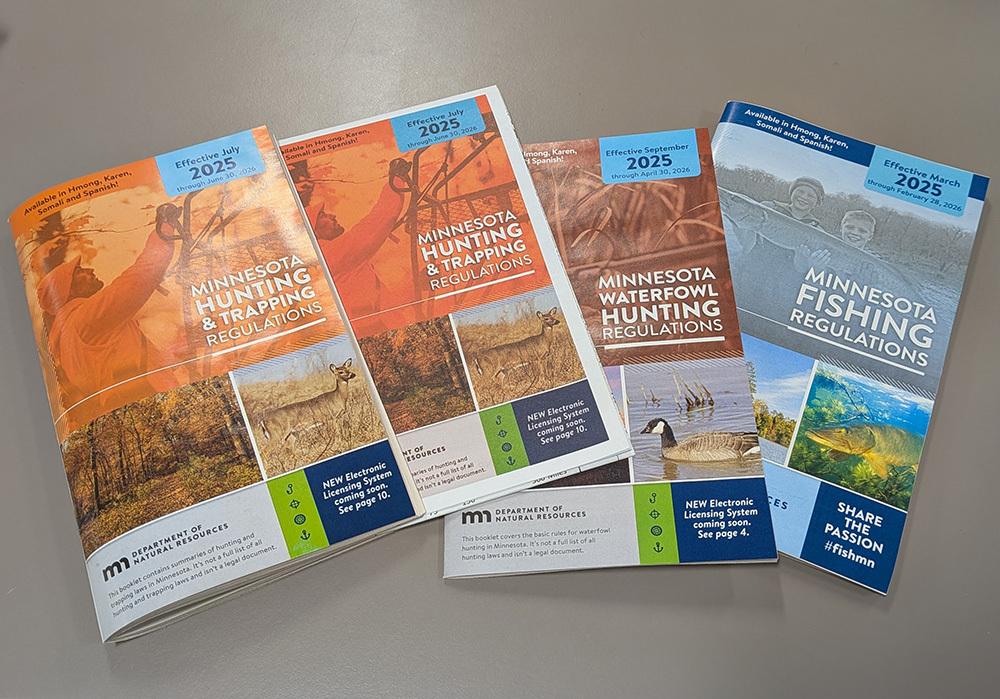 Calling hunters, trappers and anglers — we’re inviting you to share your thoughts about the regulations books we publish each year. The regulations books inform on how to legally hunt, trap and fish in Minnesota.
The Minnesota DNR is interested in understanding how you access, understand and use the information in these regulations books. We’re constantly looking for ways to improve them, and we want to hear your thoughts and experiences.
Please share your thoughts using an online questionnaire through Monday, March 16. You can also submit feedback by email to [email protected] or to the DNR Section of Wildlife, 500 Lafayette Road, St. Paul, MN 55155.
The DNR will analyze feedback this spring and plans to continue engagement efforts throughout 2026. Copies of the regulations books are on the DNR hunting regulations and fishing regulations webpages. Printed copies are also available wherever DNR licenses are sold.
Looking forward to spring turkey hunting?
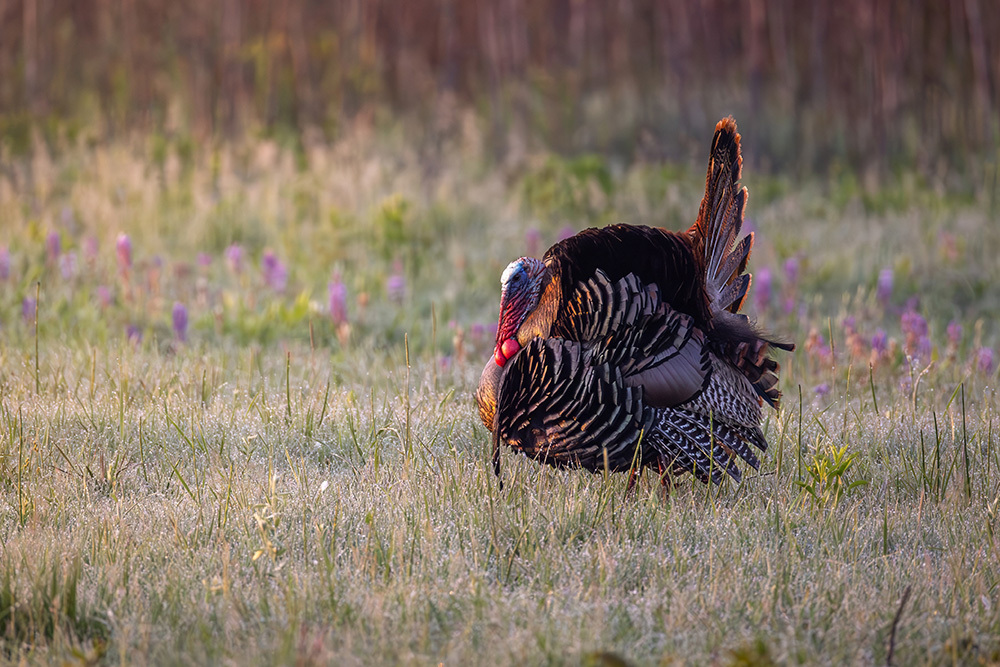 Courtesy of Alyssa Sheffield
Turkey licenses will go on sale in early March for several hunting seasons from mid-April to the end of May, with the A season kicking off on Wednesday, April 15. Crossbows are allowed by all hunters with an archery turkey license.
If you are 18 years old and older and planning to hunt either Carlos Avery or Whitewater wildlife management area with a firearm in the A season, here’s a reminder that you have through Friday, Feb. 13, to apply for a permit. The DNR will have 30 permits available for Carlos Avery WMA and 150 permits for Whitewater WMA for this firearms A season.
Turkey hunting season dates and details for 2026, as well as a spring season question and answers webpage, are available on the DNR website.
Deer harvest was up 9% in 2025
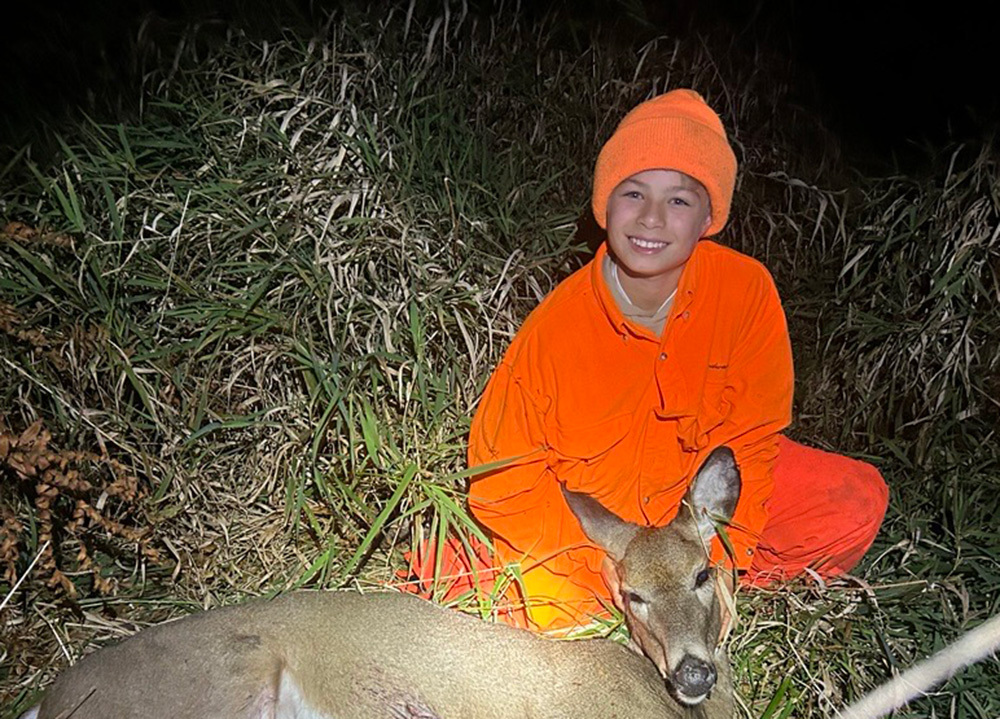 Photo and story courtesy of Rick Bittner: “First sit, big win: After a tough season last year with just one fleeting sighting, my son Nolan and I went into this year’s youth hunt hopeful but cautious. On the very first sit, everything changed, Nolan dropped a massive doe weighing in at 151 pounds dressed! The excitement was unreal. From long days of waiting last year to an unforgettable moment this year, it’s a memory we’ll never forget.” You can submit your own story on the Deer Tales webpage.
Hunters harvested 186,203 deer during the 2025 hunting season, which is a statewide 9% increase from the 2024 hunting season, according to preliminary figures from the DNR. The statewide harvest was 5% higher than the five-year average.
Archery stats
This past season again showed an increased harvest for archery hunters, with archery harvest up 8% compared to 2024. Total archery harvest in 2025 was nearly 30,000, which is a new record for Minnesota. Crossbow harvest in 2025 was 50% of total archery harvest, compared to 48% of total archery harvest in 2024. Minnesota legalized crossbows for archery hunters in 2023.
CWD stats
The 2025 preliminary total for CWD sample collection is at more than 14,000 samples with positive CWD detections in 124 deer. Most of the positive detections are from southeast Minnesota.
Thank you, hunters, for participating in the effort to monitor CWD. Hunters play an important role in protecting deer populations by providing samples. Your participation allows us to monitor the spread and prevalence of the disease, which is critical information for managing CWD.
Hunters can check the CWD results webpage for CWD test results. Numbers on this page reflect a slightly higher total than we had soon after deer season because at that time, many results were still pending.
Share your feedback on deer and deer hunting
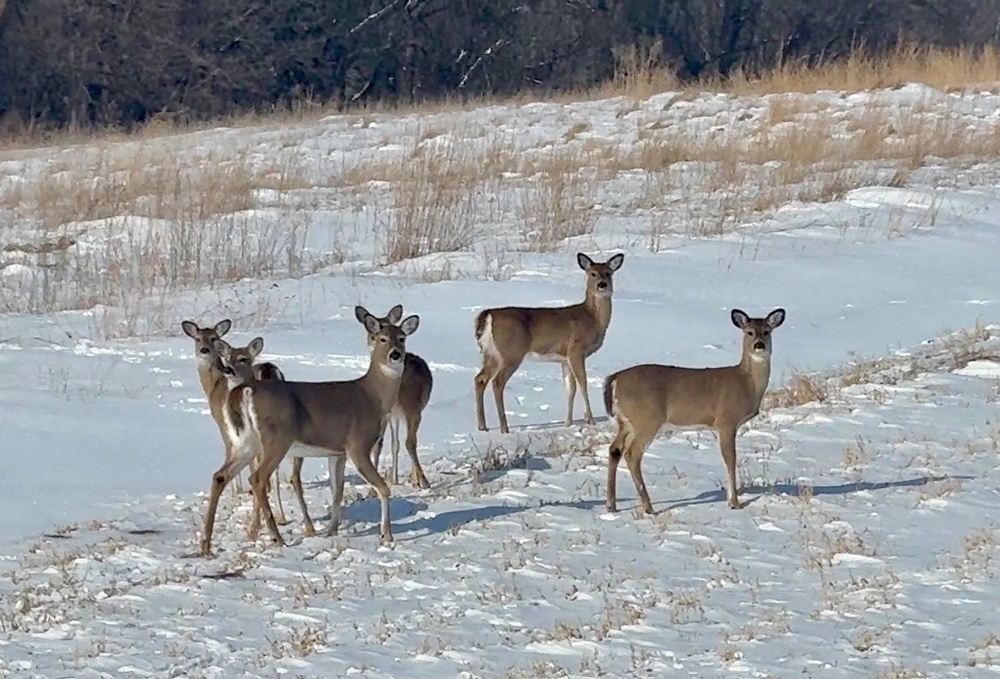 Courtesy of Leslie Nyholm
The DNR is inviting Minnesotans to submit feedback about their experiences with deer and deer hunting in 2025 via an online questionnaire. The questionnaire contains open-ended questions about people’s experiences regarding deer populations in the areas where they live, hunt and recreate. The questionnaire is open through Monday, Feb. 23 and is available on the deer hunting webpage.
Please don’t feed deer
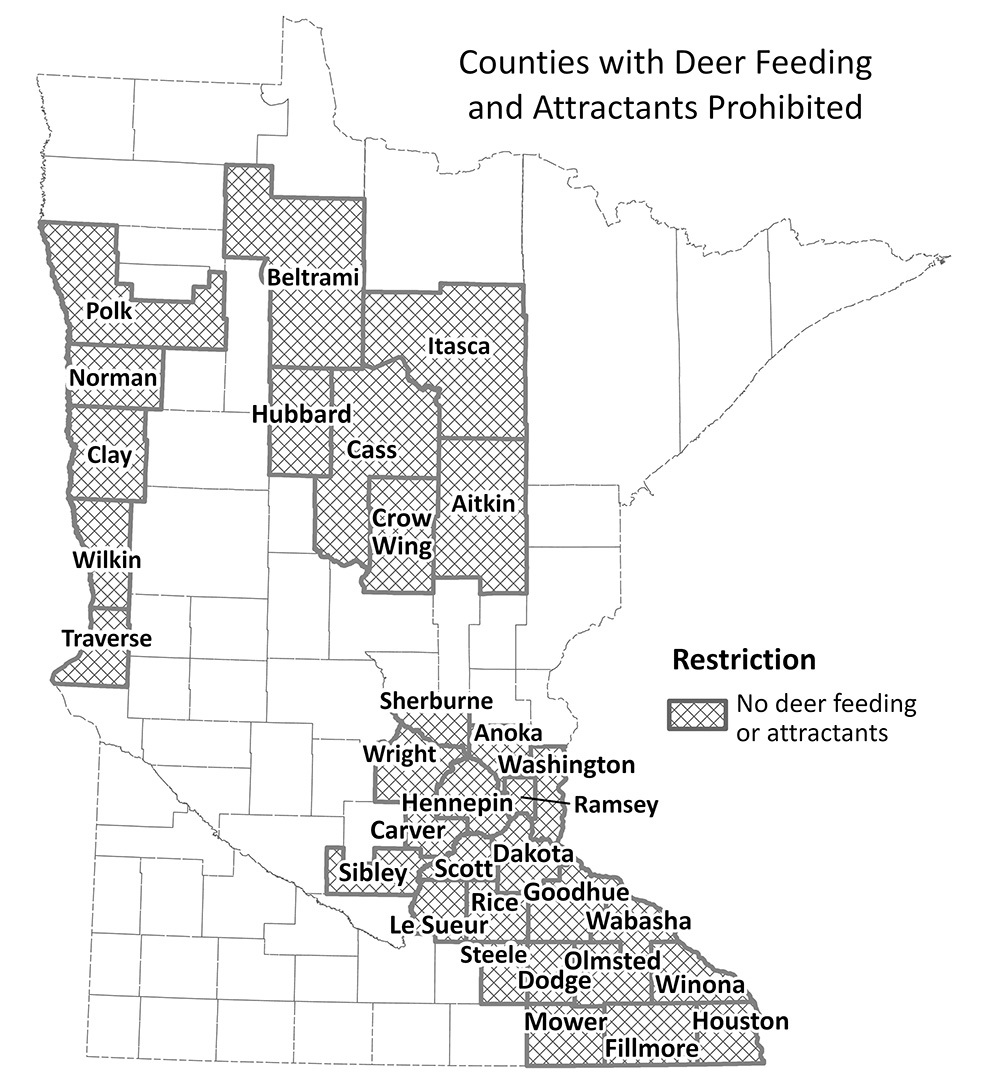 The DNR does not encourage people to feed deer. Residents interested in helping deer should focus efforts on improving habitat to provide long-term food resources and shelter.
Deer feeding and attractant bans are in place in many counties across the state to prevent concentrations of wild deer in areas with a higher risk for disease. The DNR uses feeding and attractant bans as a tool to reduce unnatural aggregations of deer and reduce the risk of exposure to CWD. We use this tool where it provides the greatest benefit to the health of Minnesota’s white-tailed deer. Bans on feeding deer and using deer attractants are in place where disease surveillance efforts indicate a greater risk of CWD spread.
Webinars on bat boxes, Hmong people’s hunting heritage
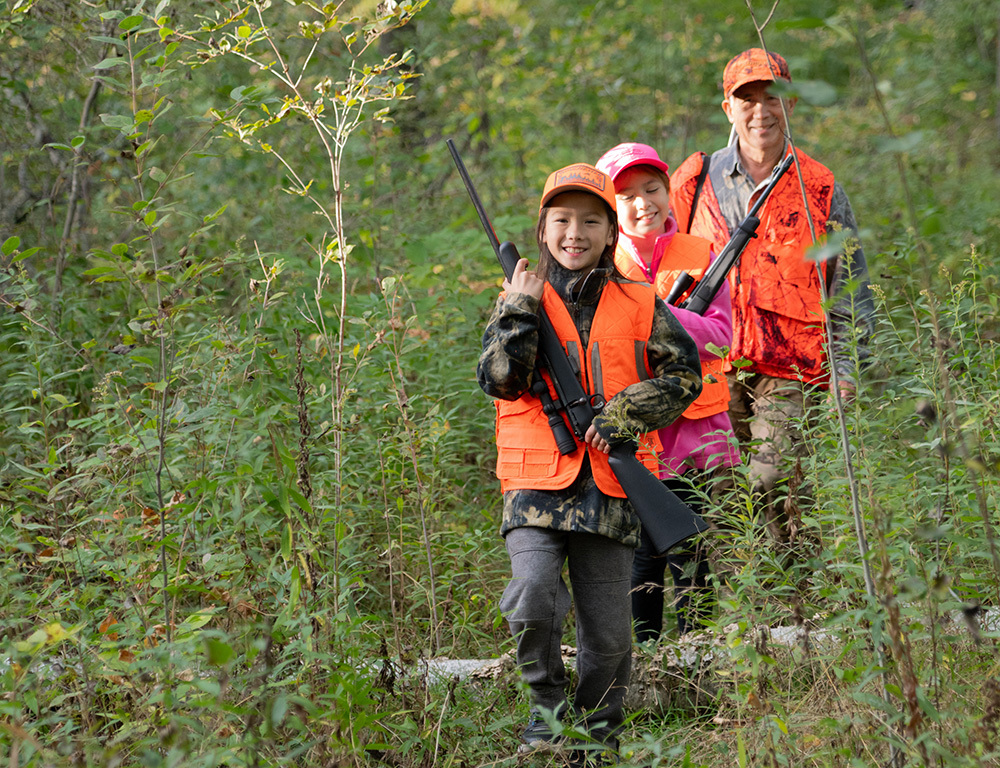 We have some upcoming webinars to check out in February. The live webinars are at noon and last an hour or less:
- Feb. 11 – Bat boxes, including what they are, why they are important, what species of bats rely on them and new guidelines from the Minnesota DNR on bat boxes.
- Feb. 25 – Learn about what hunting means to Hmong people, what hunting was like as a means of survival in Southeast Asia and how Hmong people are continuing their hunting heritage in the U.S.
All webinars are live-captioned and free. Participants need to pre-register. The DNR posts recorded webinars online for those who can’t attend the live event. Episode descriptions, registration information and archives are available on the DNR Outdoor Skills and Stewardship Series webpage. Registration is not required to view archived events.
Wildlife photo highlight
Do you have any hunting or wildlife photos you want to share? Consider uploading them using the DNR photo uploader. We use many of these photos in email newsletters, social media, our webpages or other communications.
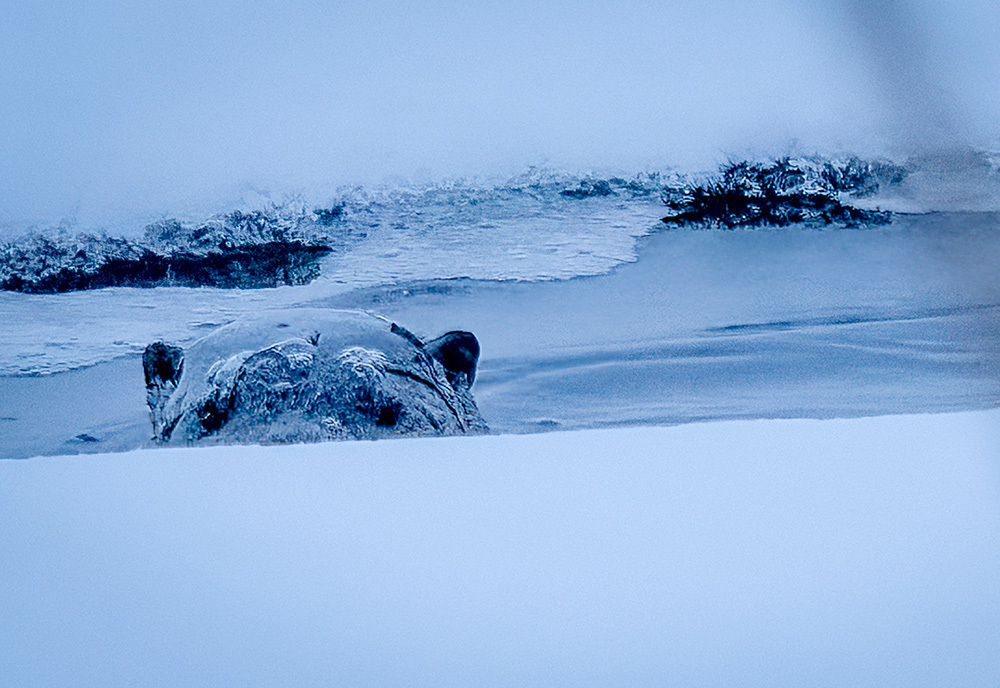 “‘You can't see me,’ says the otter” courtesy of Gregory Gerhart
|