Morningside Center

Newsletter

Dear Morningside Center Friends,

Every February and every month is Black History Month! Dive into NYCPS’s Black Studies As the Study of the World with us and PS 125, The Ralph Bunche School. Then, as promised, we share community care tools for moments of crisis—for all ages, and more on the immigrant experience.


We wish all NYC Public Schools a beautiful week of Black History study and celebration next week. Then, look out for more on this critical part of American experience in two weeks, along with Lunar New Year celebration words and wishes for everyone!

Every Month is Black History Month

At Morningside Center, every month is Black History Month. And we, like the nation, owe that to Carter G. Woodson and his vision to celebrate Black people who make the whole world a better place.

One hundred years ago, in February 1926—after getting a PhD, organizing and educating at every opportunity, and founding the Association for the Study of Negro Life and History (now the Association for the Study of African American Life and History, ASALH)—Woodson announced Negro History Week, having selected February because it held the birthdays of two men he considered to be foundational in establishing black freedom in the United States: Frederick Douglass and Abraham Lincoln.

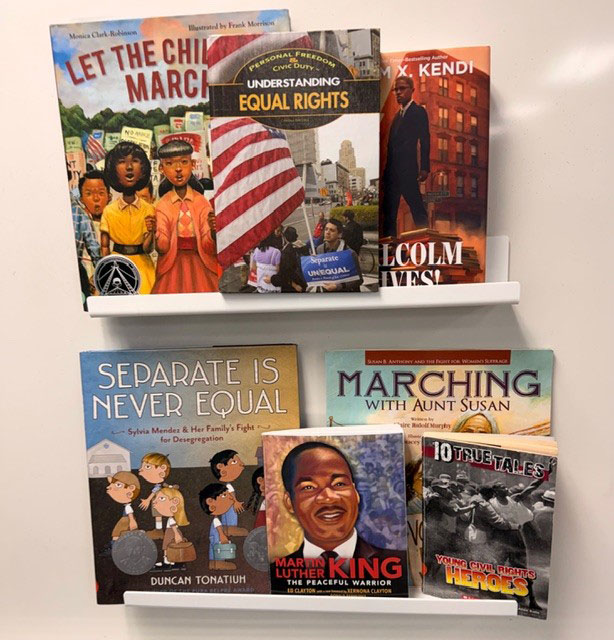
Ralph Bunche Books photo_0 image

Listening, Learning, and Accountability: How NYC Schools and Youth Centers are Using Restorative Justice to Help the Next Generation Succeed

By Carla Sinclair and Nathalie Lebrón at CUNY Institute for Local & State Governance


Through CBRJ, PS 125 partnered with the Morningside Center for Social Responsibility to partake in a curriculum that trained dozens of educators across the school district on implementing restorative justice practices tailored to the priorities and goals of each school—a process that staff developer Marieke van Woerkom adapts down to the needs of each teacher in each classroom.  


Principal Yael Leopold describes it as a “co-created vision of belonging, inclusivity, and social justice” that provides a foundation for learning that keeps the school running smoothly and its students succeeding—and earning high test scores. 


“When you commit to this work over time, it boosts academics. There is intentional work from staff to ensure students' growth,” Leopold said. “The idea that success happened by chance is untrue.”


Read the full article

Featured on TeachableMoment

SEL Tip: Physiological Sigh

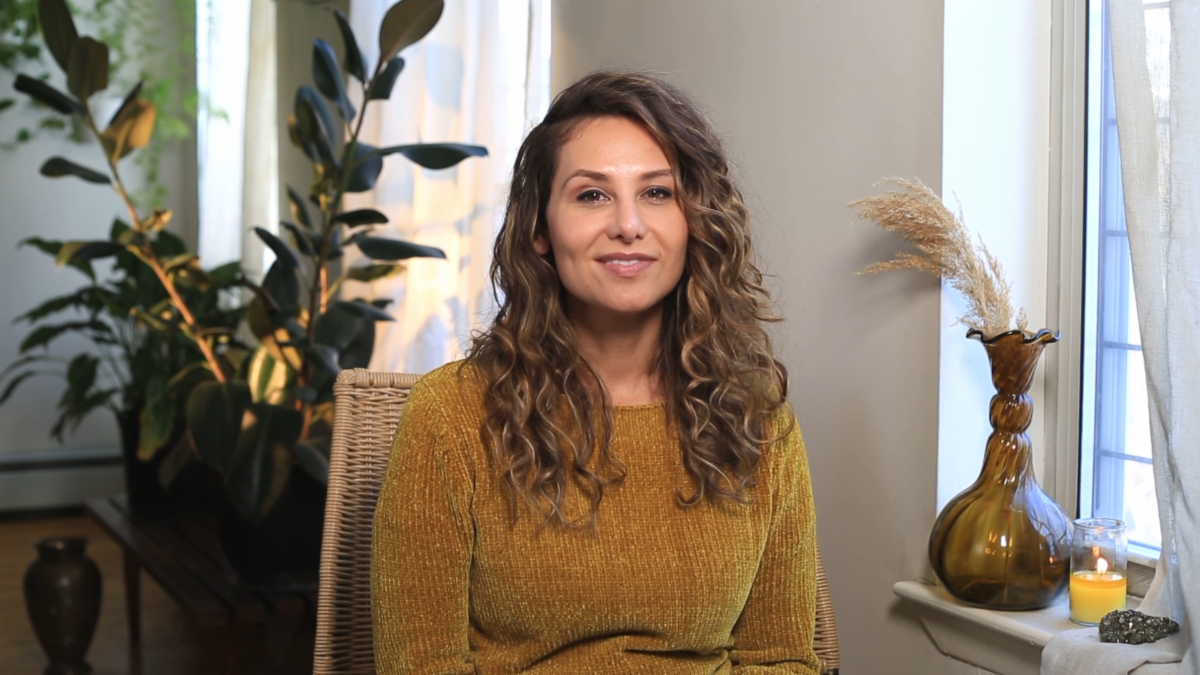
In this two-minute video, staff developer Iris Laurencio demonstrates a breathing technique that can help both young people and adults reduce stress on the spot. 

Looking for the Good during Challenging Times

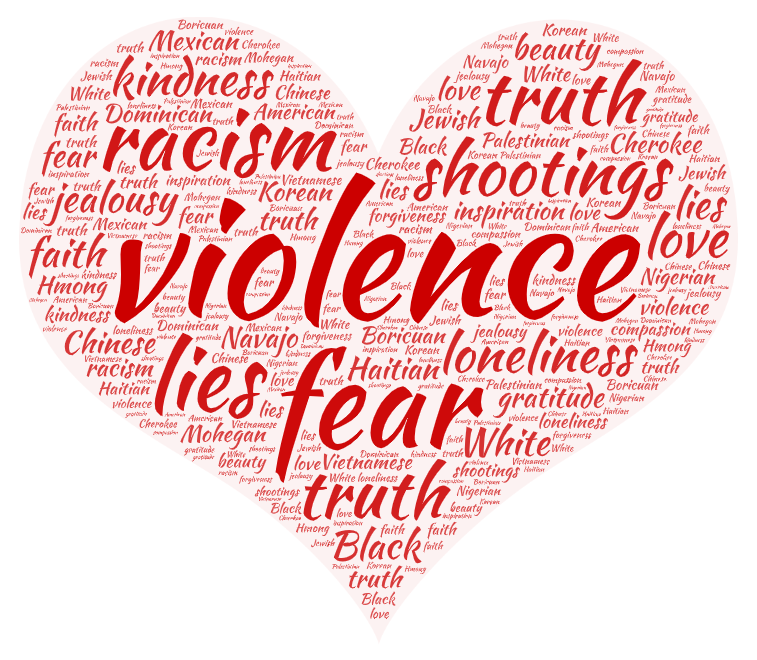
Students practice identifying and using stress management strategies to better cope with upsetting news.

What is it Like to Be an Immigrant Separated from Your Family?

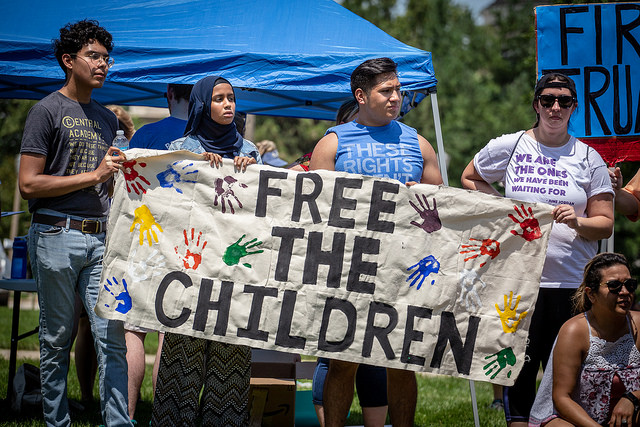
Students build empathy for refugees and immigrants by learning about the experiences of some of the families separated at the southern border of the U.S in 2018. Then, students hear a poem and write their own imaginative poems to convey their learning.

29243494908_15b5b76859_z image

What We're Reading

NYCPS’s Black Studies As the Study of the World

"As the first district-wide PK-12 curriculum of its kind, Black Studies as the Study of the World: A Black Studies Curriculum for New York City Public Schools (NYCPS) is the result of decades of scholarly research, community organizing, policy advocacy, and leadership committed to ensuring students have access to lessons that infuse the experiences of peoples of African descent in the U.S. and throughout the world."

The Largest Civil Rights Protest You’ve Never Heard Of

"I have yet to find a single K-12 textbook that mentions the boycott against segregated schools in which 464,361 students — about 45 percent of all NYC students at the time — stayed home from school." By Adam Sanchez at Rethinking Schools

Using Empathy Interviews to Lower Barriers Between Student Cliques 

"This technique helped students connect with each other and overcome social barriers to build a more cohesive community." By Ella Miesner at Edutopia

"Nobody's free until everybody's free."

—Fannie Lou Hamer

Morningside Center
for Teaching Social Responsibility
Facebook  Instagram  Bluesky