Image

Daily News Brief

February 2, 2026

Welcome to CFR’s Daily News Brief. Today we’re covering the reopening of the Rafah border crossing between Gaza and Egypt, as well as...

  • The United Nations’ budget crisis
  • India’s manufacturing spending boost
  • Costa Rica’s new president


Top of the Agenda

Israel partially reopened the Rafah border crossing between Gaza and Egypt today after it had been largely closed since May 2024. The reopening of the crossing—the only route in or out of Gaza for most residents—was an unmet requirement of the first phase of President Donald Trump’s peace plan for the territory. Israel had delayed the reopening until it recovered the final hostage body from Gaza, which occurred last week. The progress came even as strikes that Israel said targeted Hamas militants and weapons sites killed more than thirty people in Gaza over the weekend, exposing ongoing obstacles to Trump’s peace plan.


The details. Until Israel’s takeover in a May 2024 offensive, Rafah was the only Gaza border crossing not controlled by Israel. Having only partially withdrawn from Gaza in accordance with the peace plan, Israel still controls the area that is home to the crossing. Fifty Palestinians are expected to enter Gaza through the crossing today, while around fifty will be allowed to exit, an unnamed Palestinian source told Reuters. The crossing was not immediately opened for goods. 


Gaza’s health ministry says that around twenty thousand sick and wounded Palestinians in the enclave need to leave to receive medical treatment abroad. Meanwhile, more than thirty thousand Palestinians who left Gaza earlier in the war have registered their intent to return.    


Where the peace plan stands. The second phase of the Gaza peace plan includes disarmament of Hamas, reconstruction, and technocratic governance. More than twenty countries announced last month they would join Trump’s Board of Peace for Gaza, even as it remains unclear how disarmament will occur or who will comprise the international stabilization force in the enclave.  


“While the road ahead is hard, there is reason for hope. The very same forces that produced phase one of this agreement can be used to achieve phase two. The United States can keep up its pressure on Israel and the Arab states can keep up their pressure on Hamas.”

—the Washington Institute for Near East Policy’s Dennis Ross, Foreign Affairs


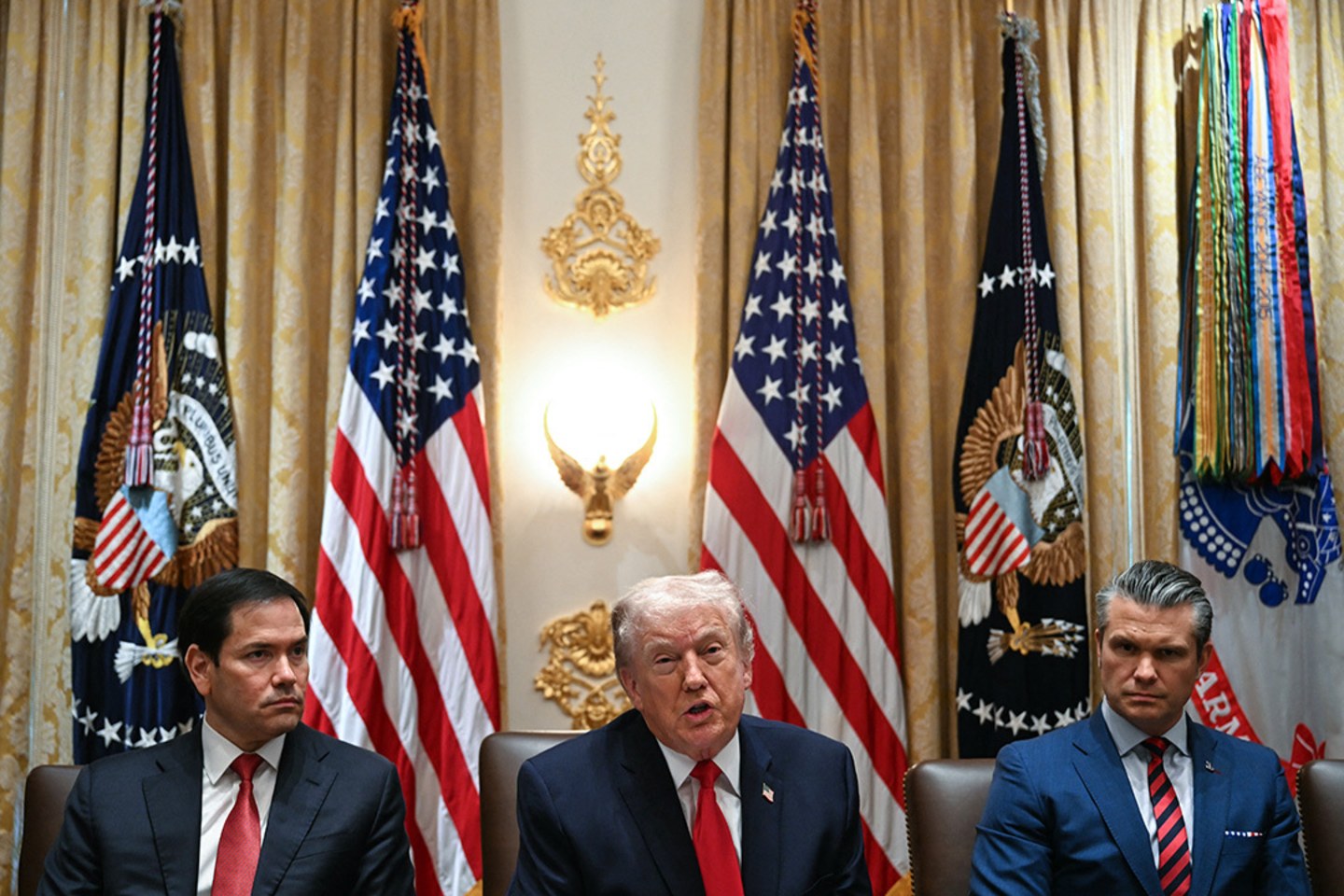
Iran Is a Test of Trump’s National Defense Strategy

US President Donald Trump speaks alongside Secretary of State Marco Rubio and Defense Secretary Pete Hegseth on January 29, 2026.

Brendan Smialowski/AFP/Getty Images

Trump’s new National Defense Strategy attempts to prioritize interests and lay out the terms and conditions for continued protection from the United States, CFR President Michael Froman writes in The World This Week.


Across the Globe

UN budget crisis. The United Nations faces “imminent financial collapse” as its regular operating budget stands to run out by July if members do not pay outstanding dues, UN Secretary-General António Guterres warned in a letter obtained by multiple news outlets. The United States is the largest debtor, owing around $2.2 billion in regular dues and more than $2.4 billion for peacekeeping missions and international courts, an unnamed senior UN official told reporters. Guterres also urged the organization to overhaul a 1945 budget rule requiring it to return unspent money to members.


India’s manufacturing investments. India’s government announced plans Sunday to increase public spending on pharmaceutical and semiconductor manufacturing. Unlike last year, the government did not unveil big tax cuts for the middle class in its budget, focusing instead on boosting domestic industry in the face of steep U.S. tariffs. The International Monetary Fund expects India’s economy will grow more than 6 percent this year.


Attacks in Pakistan. Pakistani authorities carried out large-scale security operations over the weekend against separatist groups, following suicide and gun attacks in the country’s southwestern Balochistan province Saturday. A separatist group claimed responsibility for the initial suicide and gun attacks, which Pakistan’s military said killed thirty-three people. Subsequent antiterrorism operations by Pakistan killed an estimated 177 people Saturday and Sunday. 


Costa Rica’s election. Conservative candidate Laura Fernández, from the incumbent Sovereign People’s Party, swept to victory in yesterday’s presidential election. Early results showed she received around half of the votes. Her opponent, who received about a third, conceded last night. During the campaign, Fernández pledged to continue her predecessor’s tough-on-crime policies.


Russia strikes Ukrainian miners. A Russian air strike killed at least twelve miners in southeastern Ukraine yesterday, the company that runs the mine said. The strike came after Trump said last week that Russian President Vladimir Putin had agreed to temporarily halt strikes on Kyiv and other targets. Ukrainian President Volodymyr Zelenskyy wrote on social media yesterday that a new round of trilateral peace talks is scheduled soon, urging the United States to help de-escalate tensions and reduce strikes.   


Trump’s Cuba talks. Trump told reporters yesterday his administration is speaking with “the highest people in Cuba” and he believes the two sides will make a deal. His comments came after he threatened to impose tariffs on countries that send oil to Cuba last week. Mexico, one of Cuba’s top oil suppliers, recently cut off that supply but pledged over the weekend to send humanitarian aid to the country.  


Yuan-denominated debt in Africa. After Kenya converted a group of Chinese dollar-denominated loans into yuan-denominated loans, its debt repayments fell by some $167 million, the country’s budget controller told Bloomberg. Separately, Ethiopia is in talks to convert some money it owes China into a yuan loan, while Zambia has allowed some Chinese companies to pay taxes and royalties in yuan.


Grok ban repealed. Indonesia yesterday became the latest country to reverse a ban on the artificial intelligence chatbot Grok after Elon Musk’s X Corp owed to take steps to address abuse of the platform. The ban was imposed over Grok’s spread of sexualized images; Indonesia has historically enforced strong curbs on pornography. Malaysia and the Philippines also banned access to Grok in recent weeks for the same reason, but reinstated it late last month.


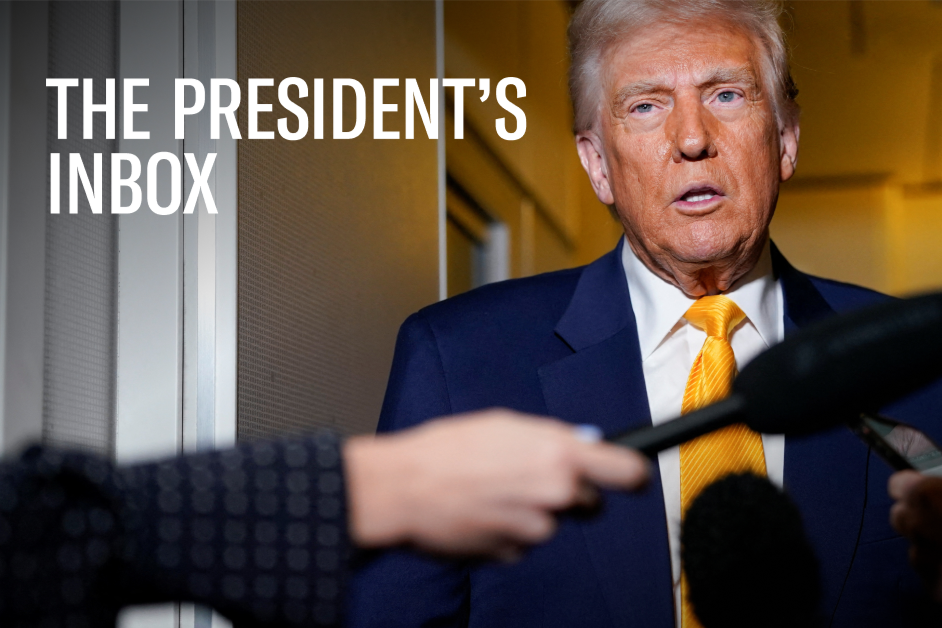
The White House Ambitions for Greenland

President Trump speaking to reporters.

As the polar ice cap is melting, the northern seas will be more navigable year round—and China and Russia increasingly view the Arctic as a strategic frontier, the American Enterprise Institute’s Heather Conley says on this episode of The President’s Inbox.

Listen Here


What’s Next

  • Today, Uruguay’s President Yamandú Orsi continues a visit to China.

  • Today, India’s foreign minister begins a visit to the United States.

  • Tomorrow, the Singapore Airshow begins. 


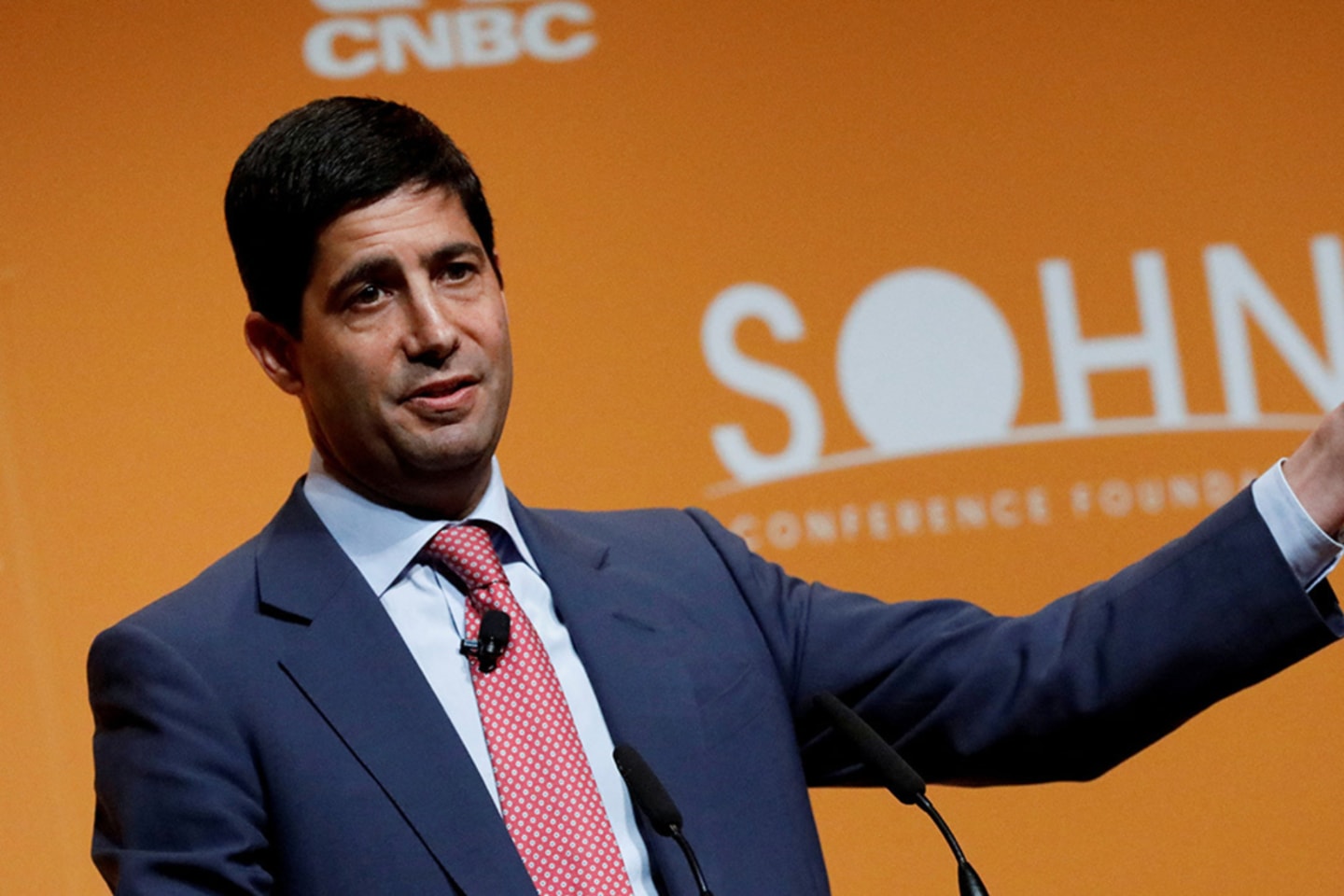
Why Warsh Won’t Revolutionize the Fed

Kevin Warsh speaks during the Sohn Investment Conference in New York City, on May 8, 2017

Brendan Mcdermid/Reuters

Federal Reserve chair nominee Kevin Warsh has aligned himself more closely with Trump’s agenda recently, but the president is mistaken to think a dramatic transformation at the Fed will lead to sudden rate cuts, CFR Distinguished Fellow Roger W. Ferguson Jr. and CFR’s Maximilian Hippold write in this article. 


Council on Foreign Relations

58 East 68th Street, New York, NY 10065

1777 F Street, NW, Washington, DC 20006

Was this forwarded to you? Subscribe to the Daily News Brief

FacebookTwitterInstagramLinkedInYouTube

Manage Your Email Preferences

View in Browser