|
The year is 1924, and the Immigration Act has just passed. The Klu Klux Klan is in its heyday. White supremacists use both the law and vigilante action to maintain racial hierarchy and outright push non-white people out of the country.
This is the environment in which the Border Patrol was founded.
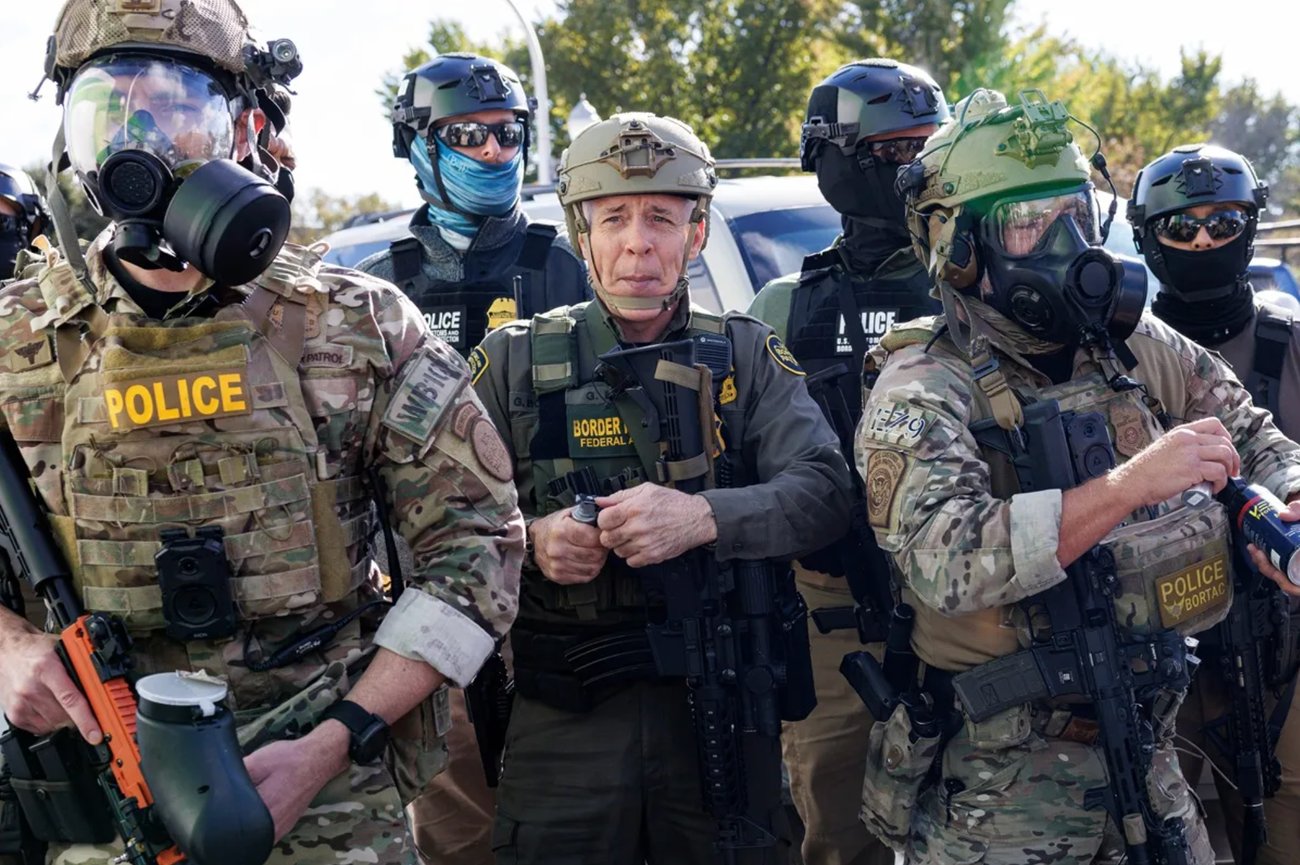
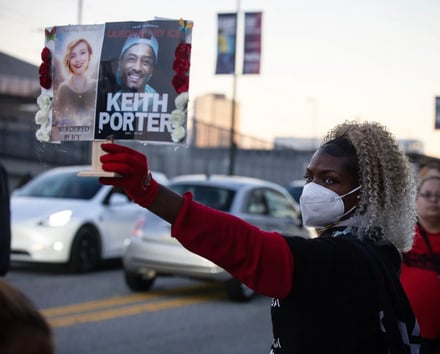
A century later, the agency, which is under the umbrella of Customs and Border Protection (CBP), is playing a major role alongside Immigration and Customs Enforcement (ICE) in President Donald Trump’s immigration enforcement agenda. This was perhaps no clearer than last Saturday, when two Border Patrol agents shot and killed VA nurse and observer Alex Pretti in Minneapolis.
New directives from ICE’s Enforcement and Removal Operations division suggest that the Border Patrol has been moved to a “support role” in Minnesota, after months of high-profile incidents featuring its commander-at-large Gregory Bovino, who has been sent back to his post in El Centro, California before an expected retirement. But if the Border Patrol’s presence has actually been downgraded in the interior of the country, the legacy of its aggressive and brutal tactics serves as a reminder of what’s been happening at the border for decades.
The history of the Border Patrol offers insights into the cruelty that has marked the first year of the Trump administration. According to many experts, violence and impunity are baked into the agency’s culture. Now, we’re all seeing—and feeling—what border communities have known for a long time. |