|
Trump’s bizarre threats to take Greenland by military force, now rescinded, added one more signal to America’s usual allies that the U.S. could no longer be trusted. One ironic result is closer economic relations between the rest of the world and China. This is far more consequential than whatever deterrent effect on China that might be achieved by more U.S. bases in Greenland.
Europe, especially Germany, was already moving in the direction of closer economic ties with China. In the wake of the Greenland debacle, there will be more trade deals and more investment, both by Europe in China and by China in Europe, increasing Europe’s dependence on Beijing.
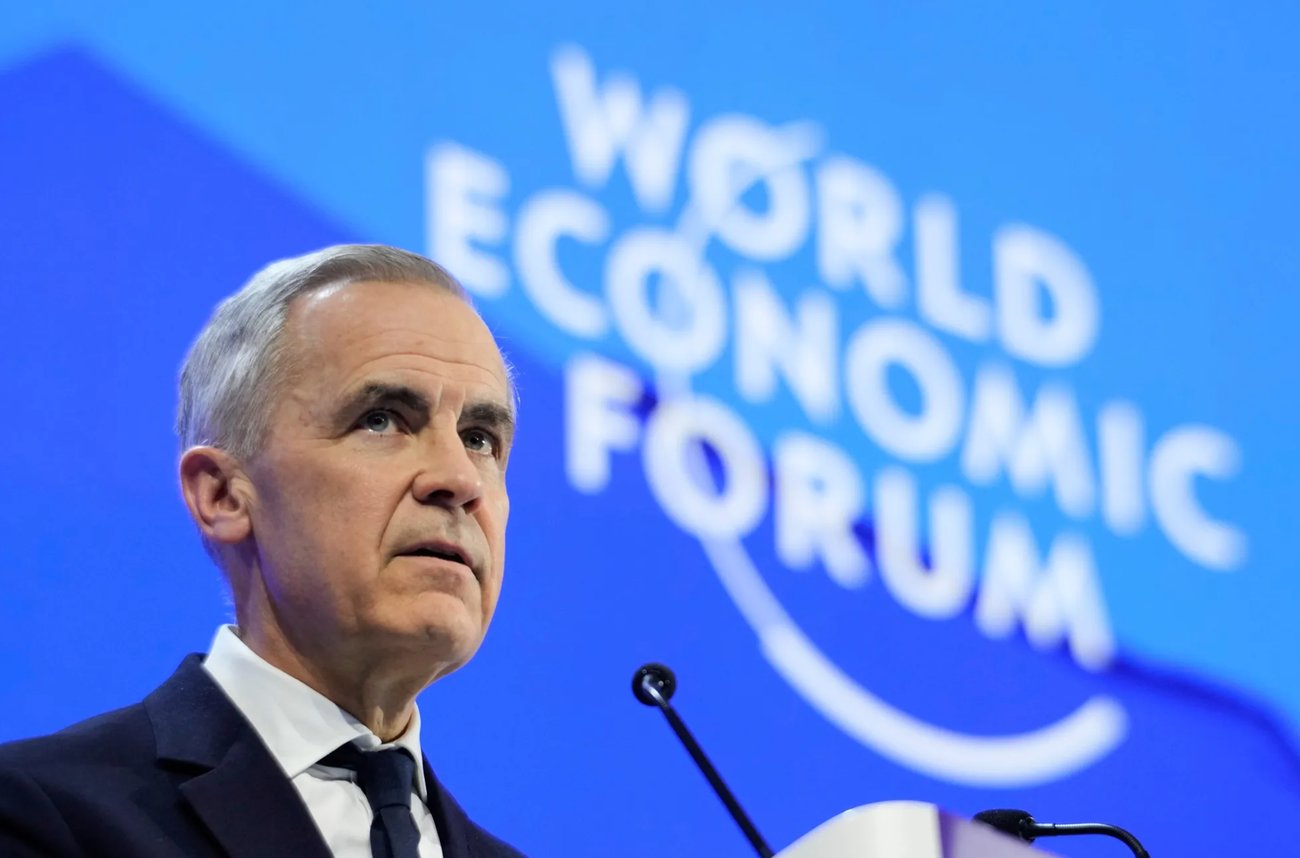
Last Friday, following a meeting between Canadian Prime Minister Mark Carney and China’s leader Xi Jinping, Canada announced an agreement for imports of Chinese electric vehicles, at Canada’s lowest tariff rate of 6.1 percent, down from a current rate of 100 percent matching U.S. tariff rates. This is a direct challenge to U.S. policy of keeping Chinese EV’s out of North America.
Yet Trump has repeatedly contradicted himself on EV policy. In September, he ended the $7,500 tax credit for domestic EV purchases and weakened fuel efficiency standards. He is attempting to cut EV use both as a favor to fossil fuel companies and to restrict Chinese auto exports. Yet in a speech last week at the Detroit Economic Club, Trump declared that Chinese automakers were welcome to produce in America. “Let China come in,” he said.
China already has such a massive lead in EV production that it almost doesn’t matter whether Trump is welcoming or hostile. According to The Wall Street Journal, China has the capacity to produce 46 million EVs this year and is expected to sell between 20 and 30 million. U.S. automakers sold only about one million EV units in 2025, and growth is expected to be minimal in 2026. In Europe, China’s BYD projects having about 2,000 dealers by the end of 2026, up from 284 at the end of 2024.
|