Image

Daily News Brief

January 22, 2026

Welcome to CFR’s Daily News Brief. Today we’re covering a potential negotiated solution to tensions over Greenland, as well as...

  • A launch event for Trump’s Board of Peace
  • The U.S. transfer of detainees from Syria to Iraq
  • The sentencing of a former Japanese leader’s killer


Top of the Agenda

U.S. President Donald Trump said that his ambitions for Greenland were headed toward a negotiated solution after he met with NATO’s chief yesterday and withdrew a tariff threat. Trump wrote on social media that a meeting with NATO Secretary-General Mark Rutte had yielded “the framework of a future deal” regarding Greenland and the whole Arctic region. Much to Europe’s relief, he added he had scrapped plans for tariffs on European countries that would have begun on February 1. Danish Prime Minister Mette Frederiksen responded by saying the country wished to continue “a constructive dialogue with allies” over Arctic security, including U.S. plans for a new missile defense shield.


De-escalation without details. Few details on Trump and Rutte’s framework were publicly announced. Rutte told Bloomberg that it could involve seven “High North” countries, including the United States, stepping up joint defense efforts. The agreement could also lead to a new agreement on U.S. forces being stationed in Greenland, the Wall Street Journal reported. The White House press secretary said that Trump is “hopeful” a deal will go through but did not specify details of the framework. NATO said in a statement that the goal of negotiations between Denmark, Greenland, and the United States was to prevent China and Russia from gaining an economic or military “foothold” in Greenland.


A moment of relief. U.S. stocks, which fell on Tuesday as U.S.-Europe trade tensions escalated, recovered part of their lost value yesterday. At Davos, German Chancellor Friedrich Merz hailed the framework announcement, urging countries to “not be too quick to write off the transatlantic partnership.” Still, this week’s events prompted European Union (EU) leaders to schedule a summit in Brussels later today that is expected to discuss how to deal with Trump’s Greenland playbook.


“[The United States in the twentieth century] took the lead in delegitimating colonial rule and ending the age of empire...Those days may be coming to an end. If the United States were to use economic and military coercion to take control of Greenland, it would be an unabashed act of imperial aggression against a democratic ally.”

—CFR expert Charles Kupchan tells the New York Times


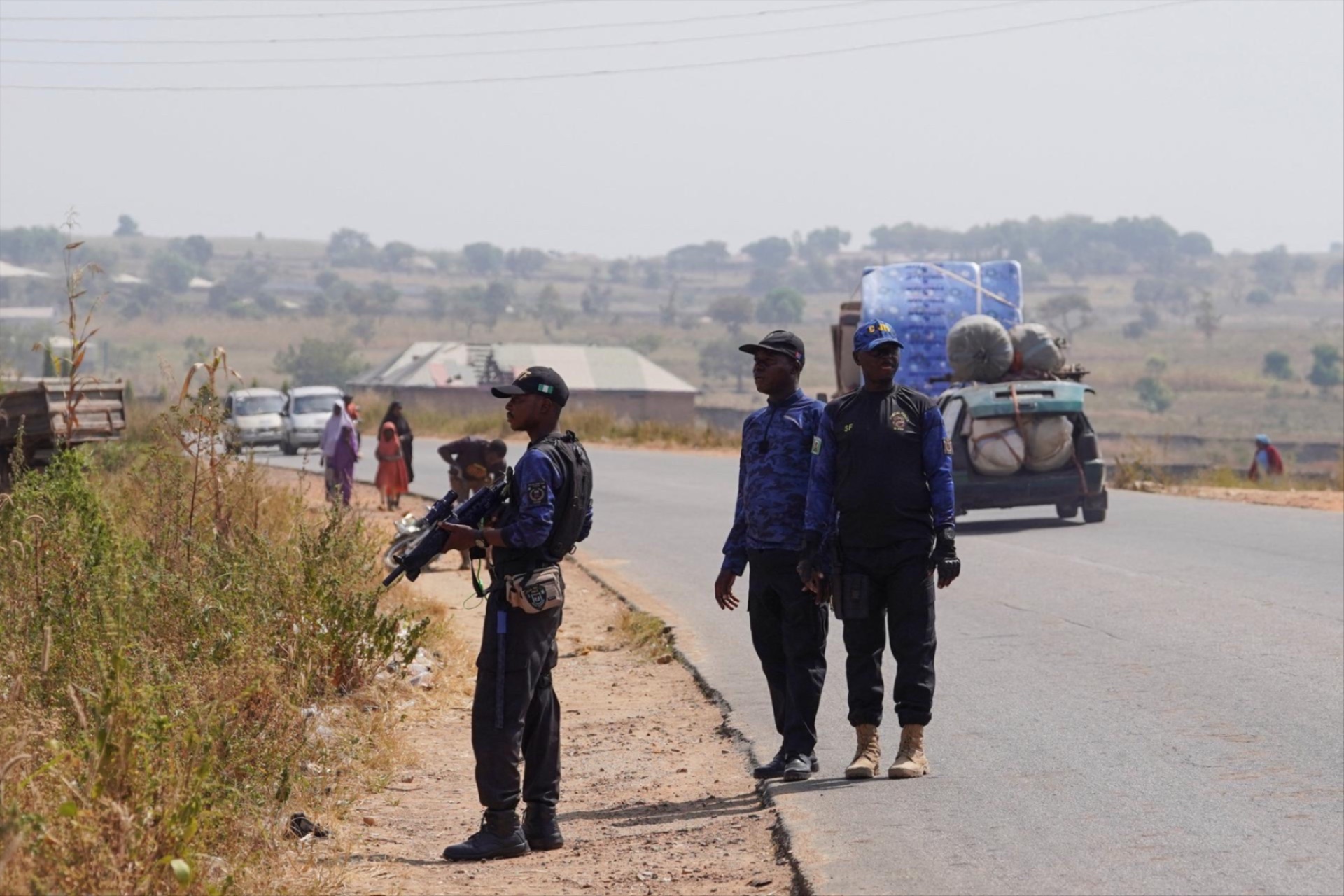
The Folly of Appeasement in Nigeria

Members of the Civilian Joint Task Force (CJTF) stand guard during a drill near a bush in Minna, Niger State, Nigeria, November 29, 2025.

Marvellous Durowaiye/Reuters

Wishing away violent extremism in the country’s north will not make it go away, CFR senior fellow Ebenezer Obadare writes in this expert take.


Across the Globe

Board of Peace takes shape… Top officials from around twenty countries signed onto Trump’s so-called Board of Peace in Davos today. They included several Muslim-majority and Central Asian countries as well as Argentina and Paraguay. Israel is joining the board but did not attend the ceremony. Bulgaria and Hungary were the only EU countries to join, and no other permanent member of the UN Security Council beyond the United States has confirmed membership. Trump today said he envisioned the board playing a role in conflicts beyond Gaza but that it would work “in conjunction with the United Nations.”


…and announces Gaza plans. At the same ceremony, Trump’s son-in-law Jared Kushner said the next phase of the Gaza truce would focus on providing aid, funding for reconstruction, and demilitarizing Hamas. According to a slide in Kushner’s presentation, Hamas members who cooperate will receive “amnesty and reintegration, or safe passage.” Joining the Davos ceremony by video, the newly minted head of Gaza’s technocratic governing committee, Ali Shaath, said the enclave’s Rafah border crossing would reopen in the coming days.


Detainee transfer from Syria. The U.S. military yesterday began transferring detainees linked to the self-declared Islamic State from Syria to Iraq, U.S. Central Command said in a statement. The announcement said 150 detainees had already been transported to Iraqi-controlled facilities, with up to 7,000 in total eligible for transfers. The move comes after dozens of detainees escaped from a Syrian prison in recent days during clashes between government forces and Kurdish rebels.


Abe’s killer sentenced. A Japanese court sentenced the killer of former Prime Minister Abe Shinzo to life in prison today. The rare political assassination in 2022 shocked the country. The killer, Yamagami Tetsuya, said he believed Abe supported a church against which he held a grudge. Abe was not a member, but had attended an event there.


Trade deal delay. EU lawmakers voted yesterday to send a completed Mercosur trade deal to the bloc’s top court for a judicial review, potentially delaying its full adoption by up to two years. Merz criticized the decision—prompted by questions over whether the deal complies with EU treaties—saying it “misjudges the geopolitical situation.” EU leadership could decide to enact the deal provisionally before the ruling comes out.


Colombia-Ecuador trade escalation. Ecuador will apply 30 percent tariffs on Colombian goods beginning February 1 due to Colombia’s failure to fight drug trafficking, Ecuadorian President Daniel Noboa announced yesterday on social media. His government later said that electricity and oil logistics—significant components of bilateral trade—would be exempt. Colombian President Gustavo Petro wrote on social media that Colombia fought drug trafficking on “sea, land, and air” and would respond to Ecuador according to “principles of reciprocity.” 


Chinese lending to Africa. Chinese loans to the continent fell in 2024 to $2.1 billion, nearly half the 2023 total of $3.9 billion, according to data released yesterday by Boston University. It was the first decline in Chinese lending to Africa since the end of the COVID-19 pandemic. An “era of billion-dollar projects” is receding, the researchers wrote, with Beijing becoming more stringent on the commercial viability of loans.


Toll of Iran protests. Iran estimates that more than three thousand people have died in recent demonstrations, its government said yesterday in its first official death toll. The U.S.-based Human Rights Activists News Agency said yesterday that it had verified almost five thousand deaths, though other estimates are far greater. In recent days the World Economic Forum in Davos rescinded its invitation to Iran’s foreign minister due to the widespread killings.


Connecting the Ivory Tower and Policymaking

Keren Yarhi-Milo.

Photo Collage By Lucky Benson

While a love of finding puzzles and patterns drove CFR member Keren Yarhi-Milo to a career in academia, scholars should also strive to connect their research with policymaking applications, she told CFR’s Ivana Saric in this article. 


What’s Next

  • Today, the UN Security Council holds consultations regarding Syria in New York.

  • Today, campaigning kicks off for Bangladesh’s first national election since the fall of former Prime Minister Sheikh Hasina in 2024.

  • Tomorrow, the lower house of Japan’s legislature will be dissolved ahead of a snap election.


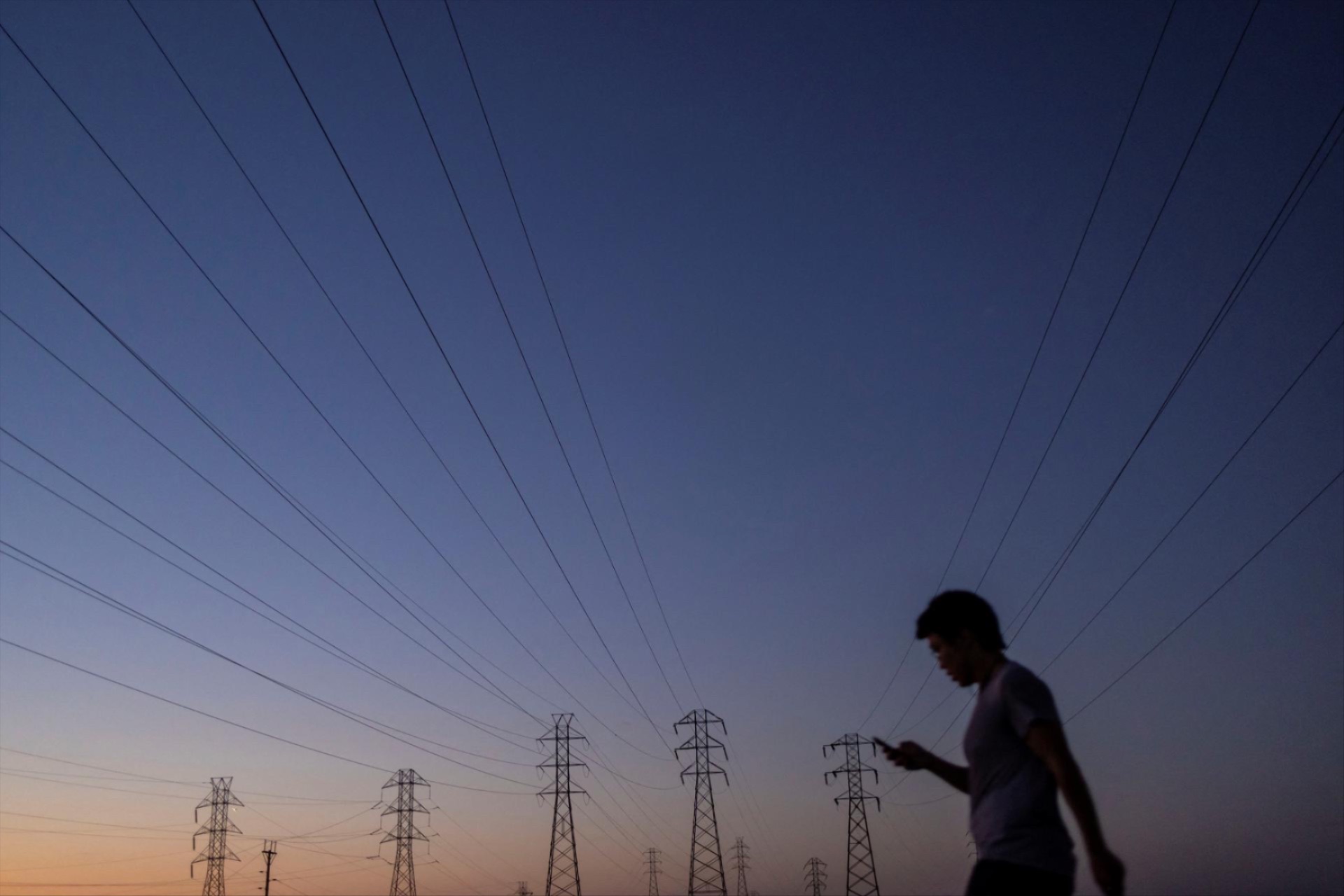
Climate and Energy Stories to Watch in 2026

A man walks by power lines in Mountain View, California, August 17, 2022.

Carlos Barria/Reuters

The year ahead could be affected by oil flowing from Venezuela, the cost of residential electricity in the United States, and the results of cuts to disaster response programs, CFR’s Lindsay Iversen writes in this article.


Council on Foreign Relations

58 East 68th Street, New York, NY 10065

1777 F Street, NW, Washington, DC 20006

Was this forwarded to you? Subscribe to the Daily News Brief

FacebookTwitterInstagramLinkedInYouTube

Manage Your Email Preferences

View in Browser