|
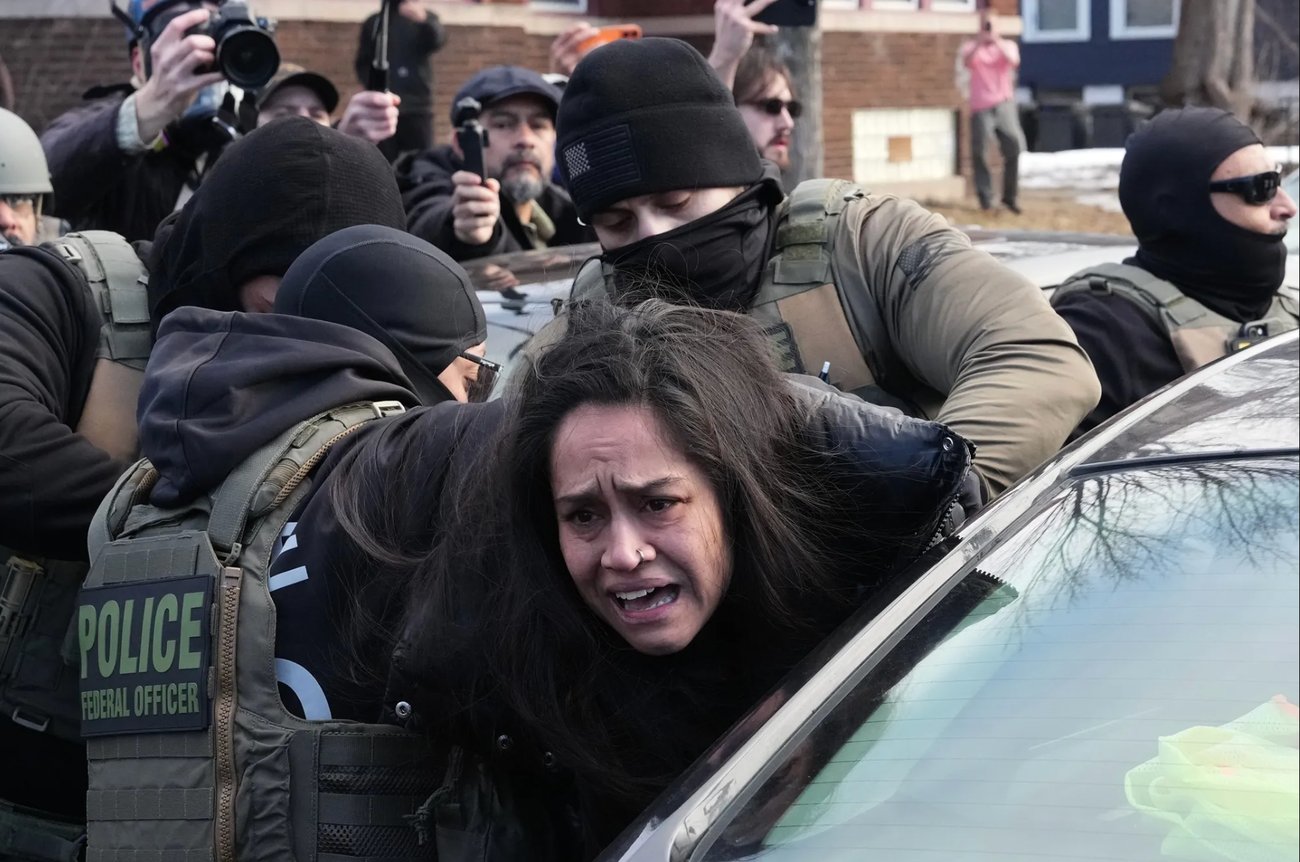
While dozens of independent reports in the last year have described vicious assaults by ICE agents, we know more about the number of individuals injured by cows each year than we do about people injured by our own government. This is a decision that has been driven not by a lack of technological sophistication, but by a lack of action.
During the second Trump administration, ICE has grown dramatically in both size and authority. Yet the true scope of how that authority has been wielded against the public remains unclear. ICE is not required to report any use-of-force incidents against the public, typically defined as resulting in a death or serious bodily injury. Indeed, we know little about the full extent of ongoing violence from any federal law enforcement agency, in part due to a decades-long legislative failure to establish a compulsory national database on use-of-force incidents.
The most significant effort thus far to create a national use-of-force database for federal and state law enforcement agencies was initiated by the FBI in 2019. The database is voluntary, though over the years, many agencies have participated in supplying their information. However, none of the data has been made public, due to a provision that it only be released if the participation meets an 80 percent threshold of all law enforcement agencies; as of August 2025, participation remains at 78 percent.
FOIA requests have revealed that federal agencies like ICE contributed information to the database as recently as 2024. Yet because publication is not required by law, many remain doubtful as to whether the Trump-led FBI would ultimately release the data, even if the participation threshold were reached. Where Congress has failed to act, a collection of nonprofits, academics, and journalists have stepped in to fill the gaps by combing news reports on use-of-force incidents into publicly accessible databases.
“It’s insane that agencies are not required to report when they kill a civilian,” said Andrew Zaharia, director of data science at Campaign Zero, a police reform nonprofit that runs the independent police killings database Mapping Police Violence. “We’d rather not have to collect this data—it would be better if they just reported it themselves.”
|