|
 |
We need to find other ANGRY DEMOCRATS. Please consider sharing and subscribing to fuel the ANGER for change.
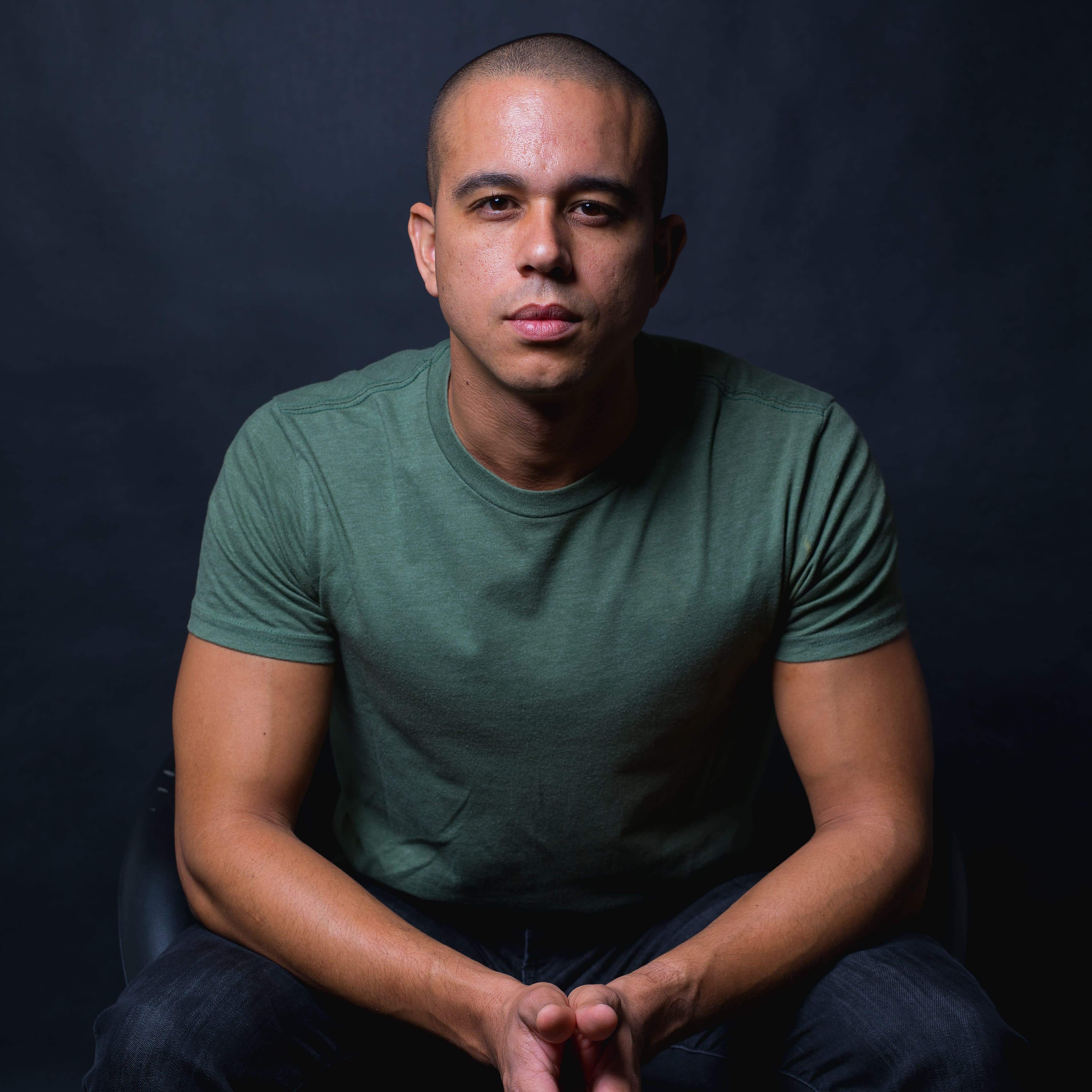


If you haven’t watched Andor—both season one and season two—you should stop and do that.
Go ahead… I’ll wait.
And before you say, “I don’t like Star Wars” or “I’ve never seen Star Wars,” that doesn’t matter. Andor is effectively standalone. Two seasons. Twenty-four episodes. No homework required. This is not laser battles and space explosions. It’s not boom-boom-pew pew sci-fi theater.
 |
It’s a deeply philosophical, carefully constructed series about how totalitarianism, authoritarianism, and fascism actually take hold. Slowly. Methodically. Surgically. Often without people realizing what’s happening until it’s already too late.
Honestly, I think it’s one of the best television shows of the 21st century so far.
This isn’t a TV review. I’m trying to sell you on watching it because very few shows or movies understand time and how long it actually takes to build institutions, and how long it takes to quietly erode them. Andor takes its time. It spans years. It sits in the uncomfortable space between moments.
The show picks up after Star Wars: Episode III, when Emperor Palpatine has already consolidated power, declared emergency authority, and neutralized meaningful opposition. What Andor shows is what comes after that moment. Not mass arrests. Not cartoon villains storming the Senate. But something far more realistic.
Power is consolidated by building allies who work against their own interests. By controlling shipping lanes, resources, and trade to punish or reward entire planets. By shaping public opinion through propaganda. By nudging senators, institutions, and populations just far enough that they begin advocating for what the Empire wants—often believing it’s their own idea.
The takeover isn’t linear. It’s patient. It’s bureaucratic. It’s disguised as order.
What makes Andor especially effective is that the people inside the Empire aren’t written as monsters. They’re careerists. Managers. People chasing promotions. People afraid of looking incompetent. People trying to feed their families. The show makes a critical point: authoritarian systems don’t run on villains alone. They run on ordinary people doing their jobs until a line is crossed.
And that line isn’t universal. It’s personal. It appears at different points for different people.
On the other side, the rebellion is just as deliberate. Sacrifice is the currency. They are the minority. They are radicals. They are labeled terrorists. And if we were watching the rebel story unfold on CNN or Fox News, we all know that’s exactly how they’d be framed.
Yet we root for them.
Andor doesn’t pretend rebellion is clean. It doesn’t pretend it’s safe. And that’s where this connects to the moment we’re in now.
The reason I’m writing this isn’t just to recommend a show. It’s to push back on a growing assumption I see everywhere: that change should come without consequences.
A lot of modern protest culture is built around comfort. Permitted protests. Approved routes. Designated times. 2pm to 4pm, then home. The belief that if you stay within the rules, history will bend in your direction. And if consequences appear, they’re treated as proof something has gone wrong.
Andor rejects that entirely.
There are consequences. There are always consequences.
If there are not consequences, then nothing is truly at stake. And if nothing is at stake, nothing meaningful is ever surrendered. Change does not arrive through intention alone. It arrives through loss. Through risk. Through choosing something and letting something else burn.
Andor understands something else that most political stories avoid: fear is human. Uncertainty is real. Being afraid does not mean you are weak. It means you understand the cost. Every character is terrified at some point—of losing their life, their family, their cover, their sense of self. The Empire rules through fear, but the rebellion is born inside it.
The difference is not the absence of fear. It’s the decision to act anyway. And almost never alone. People endure because they hold each other through that fear quietly, without speeches or slogans. Bravery isn’t performance, but shared risk in the face of uncertainty.
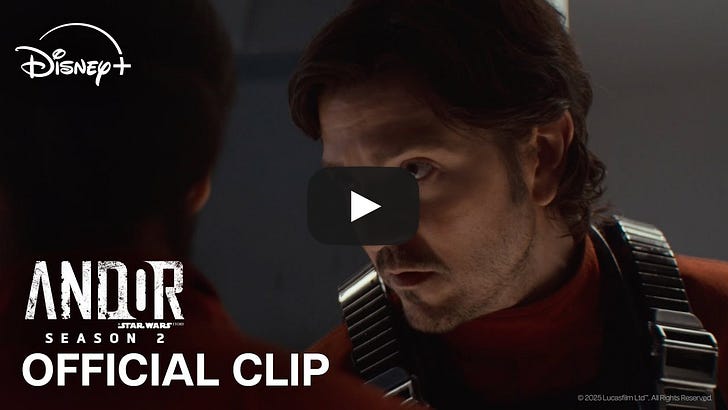
What I see right now are people desperate for transformation but allergic to the pain. People who talk about reform inside their party but refuse to challenge incumbents. People who say they want different policies until those policies make dinner uncomfortable or careers uncertain. People who shout in crowds but whisper when the room gets quiet. People who follow rules written by the very systems they claim to oppose because breaking them might cost reputation, comfort, or future access.
They want justice without exposure.
Revolution without vulnerability.
Moral clarity without personal consequence.
They want to be seen as brave without ever being afraid.
That is not rebellion.
That is a performance.
Andor refuses to lie about this. It refuses to comfort the viewer with myths about purity or inevitability. The Empire moves with cold intention. The rebellion moves with equal resolve. Everyone understands the price. No one pretends otherwise. There are no speeches about hope that substitute for action. There are no slogans that erase blood, prison cells, or graves.
Sacrifice is not symbolic in Andor.
It is transactional.
It is paid in years, in freedom, in anonymity, in lives that will never be celebrated.
And without paying it, nothing advances. The machine does not slow. The walls do not crack. Power does not flinch.
Everything else is safe. Comfortable. Designed to make people feel involved without ever being endangered.
That is the lesson Andor delivers without apology.
Change requires payment. Sacrifice is the currency.
If it costs nothing, it means nothing.
Stay Angry
Join other ANGRY DEMOCRATS by support Matt’s work. Subscribe and Share!
| ||||||||||

