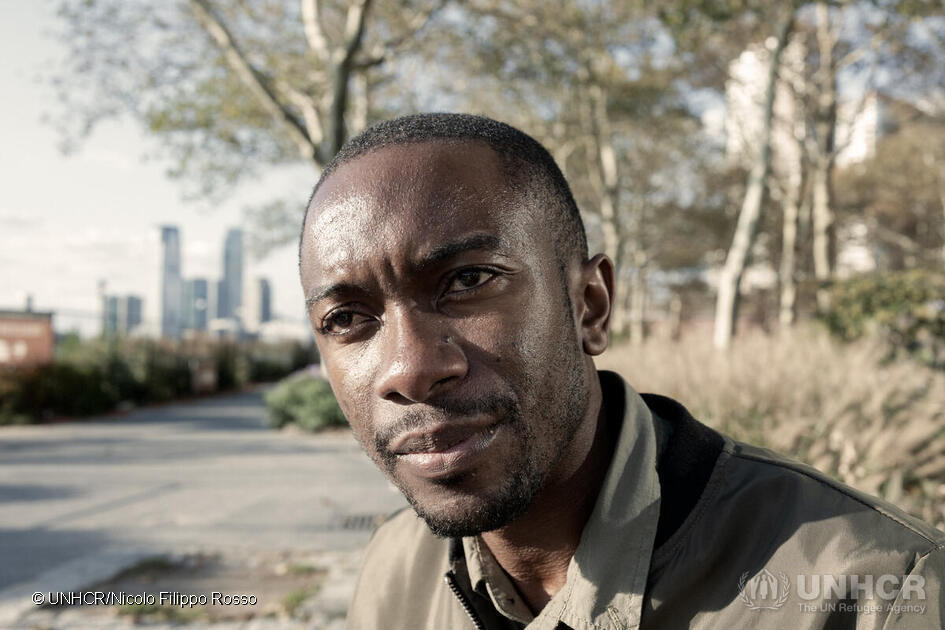
| | | | By Jeanne Batalova The United States has historically resettled more refugees than any other country and admitted more than 100,000 in fiscal year 2024—the most since the 1990s, although policies have changed under the Trump administration. Afghans accounted for the largest group of resettled refugees last year. The top states of resettlement were Texas, California, and New York. This article showcases the recent and historic trends in humanitarian immigration in the United States. |
| |
|
| |
|
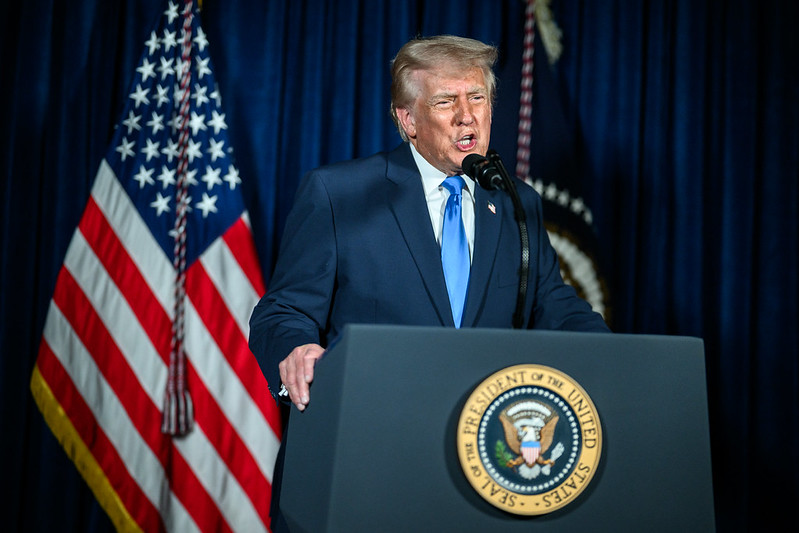
| | By Muzaffar Chishti, Kathleen Bush-Joseph, and Colleen Putzel-Kavanaugh U.S. immigration policy, practice, and enforcement has changed dramatically over the last year, since President Donald Trump returned to office. Enforcement has become both omnipresent and militarized, reaching far into the U.S. interior. Stiff new barriers have been erected to both unauthorized and legal immigrants. The statuses of many legally present immigrants have become more tenuous. Longstanding norms have been dismantled in pursuit of the goal of 1 million deportations annually. This article provides a sweeping overview of the changes that have taken place. |
| |
|
| |
|
| | There is new leadership at the UN High Commissioner for Refugees (UNCHR). With the dawn of 2026, Barham Salih has taken charge of the UN refugee agency at a critical movement, amid nearly record-high global displacement, growing challenges to long-standing humanitarian protection norms, and declining financial support from international donors. Salih’s ascension to the role is remarkable in its own right. A native of Iraq’s Kurdistan region, he was arrested and tortured for his activism during the dictatorship of Saddam Hussein. Salih fled for the United Kingdom and then returned to Iraq after Hussein’s downfall, ultimately serving as the country’s president from 2018 to 2022. He is the first refugee to lead the UN refugee agency. His term is for five years. His predecessor, Filippo Grandi, served two terms and left with praise for his principled leadership and work to defend the relevance of the agency amid proliferating challenges to the humanitarian protection system occurring in tandem with rapid increases in displacement and waning political and public support. Among the most immediate challenges Salih will face is the slashing of financial assistance by governments. Amid foreign aid cuts by the United States and major donors in Europe and beyond, UNHCR trimmed its budget for 2026 by one-fifth, even as global displacement is near a record high. In a statement after the UN General Assembly elected him, Salih called for “a renewed focus on impact, accountability, and efficiency.” As my colleagues have noted, there is a role for innovation to blunt the effect of foreign aid cuts on migration management programs and help architect a leaner, more sustainable system. For his first official visit, Salih went to Kenya, where he highlighted the country’s work on refugee inclusion and underscored that “protection must go hand in hand with self-reliance, inclusion, and durable solutions.” It is, of course, impossible to know what challenges Salih will confront during his tenure, but the nature of his position is such that it is all but certain that the most bedeviling questions will be ones that have not yet even emerged. |
|  | | |
|
| | | "Venezuelan immigrants in the United States are particularly concentrated in Florida, mostly arrived since 2010, and tend to have higher levels of education than immigrants overall." |
| | |
|
"A traditionally relatively homogeneous and egalitarian welfare state, Denmark since the turn of the millennium has moved from a liberal approach toward humanitarian protection to a strict policy structure that has put it at the forefront of governments pondering new restrictions." |
| | |
|
"In many places in North America and Europe, transit system riders are disproportionately immigrants." |
| | |
|
| | MPI’s World of Migration podcast speaks with Micheal Gumisiriza, a Uganda-based official with an NGO working with refugee-led organizations, about how deep foreign aid cuts are affecting on-the-ground humanitarian aid programs. U.S. immigrant advocacy efforts among people from Asia without legal status are showcased in UndocuAsians: Lived Experiences and Social Movement Activism Across the Diaspora, edited by Kevin Escudero and Rachel Freeman-Wong. The Way Out: Justice in the Queer Search for Refuge, by Rebecca Buxton and Samuel Ritholtz, examines experiences of displacement among LGBTQ+ individuals and the uneven protection system that exists for them. Weronika Zmiejewski’s Georgian Women on the Move: Migration to Greece in Times of Crisis provides an ethnographic inquiry into migrant care workers from Georgia in Thessaloniki. Sociologist Sunmin Kim examines the connection between historical U.S. ideas about race, ethnicity, and immigration in The Unruly Facts of Race: The Politics of Knowledge Production in the Early Twentieth-Century Immigration Debate. In Emergent Voices of (North) African Immigrant Women and Their Daughters in French Literature and Film: Challenging the Inside, Seeking Outside, and Passing Through Walls, Sarah B. Buchanan takes a deep dive into novels and films by North African women in France. |
|
|
| | The Migration Information Source is a publication of the Migration Policy Institute, a nonpartisan, nonprofit think tank in Washington, DC, and is dedicated to providing fresh thought, authoritative data, and global analysis of international migration and refugee trends. |
|
|
| | Copyright © 2025 Migration Policy Institute. All Rights Reserved.
1275 K St. NW, Suite 800, Washington, DC xxxxxx |
|
|
| |
|
|