|
Nonprofit, investigative journalism on a mission to hold the powerful
to account.
|
Donate
|
|
|
|
|
|
|
|
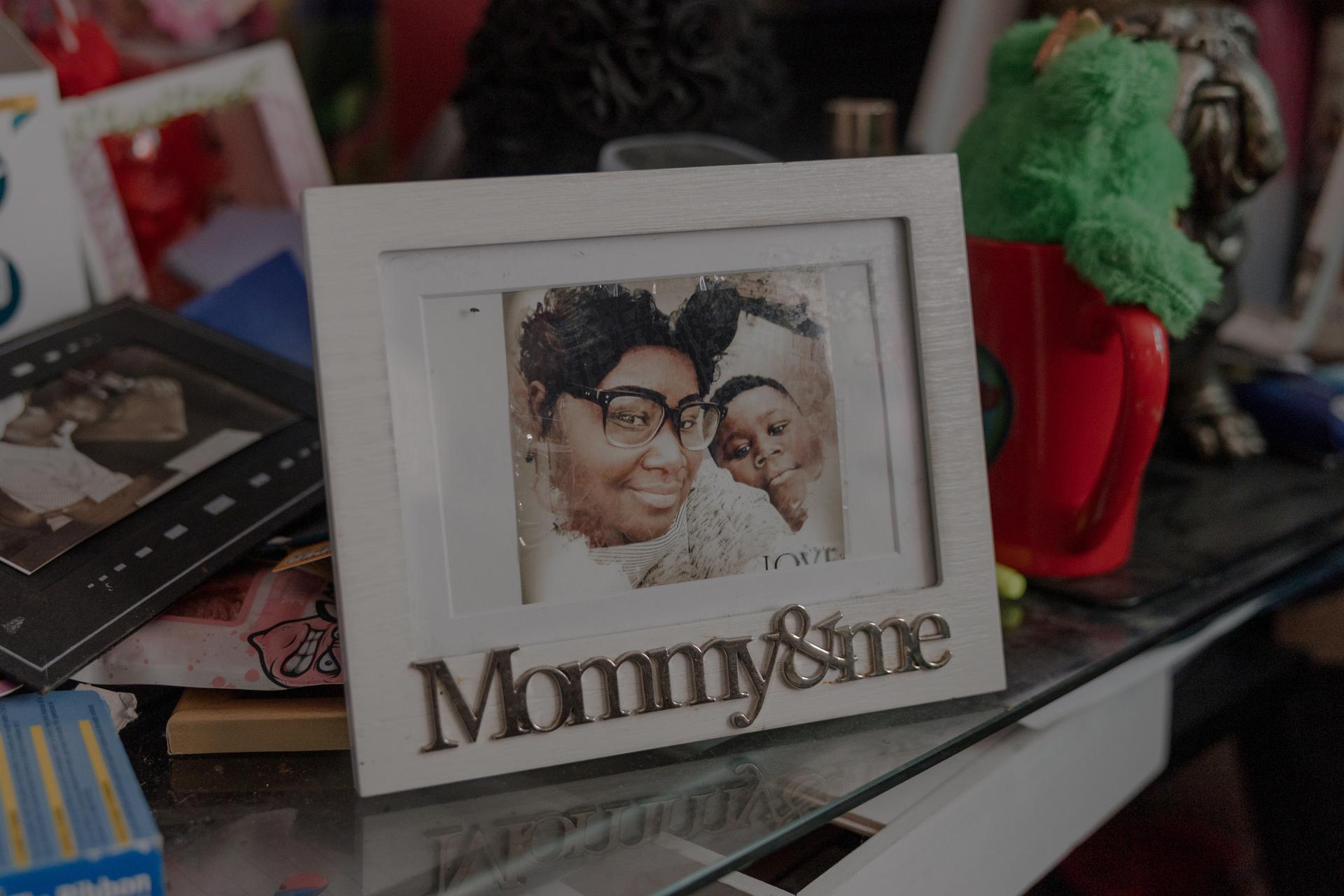
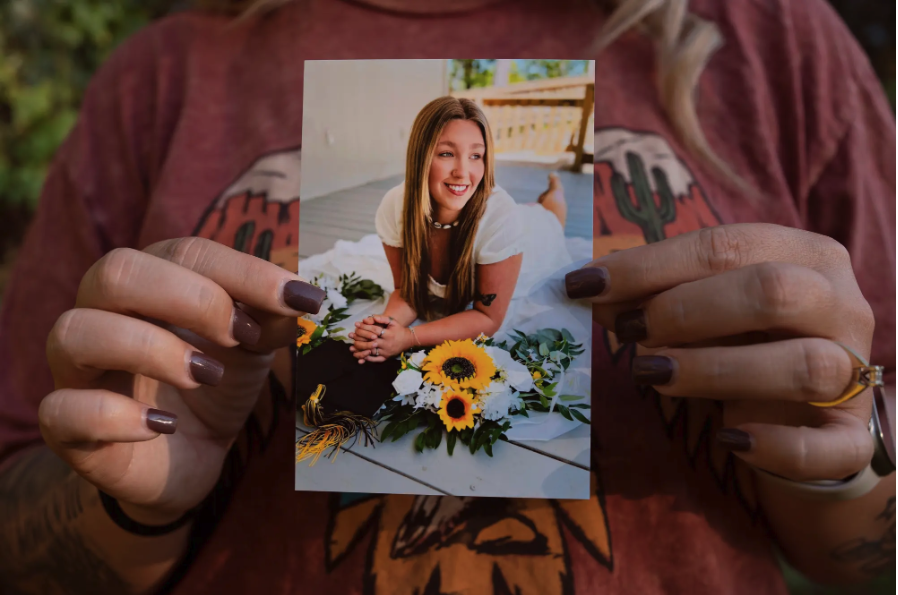
In North Carolina, a state that had legislated its commitment to life, Ciji Graham spent her final days struggling to find anyone to save hers. |
|
|
For over a year, we’ve been publishing investigations into how abortion bans lead to preventable deaths. ProPublica reporters Kavitha Surana, Cassandra Jaramillo and Lizzie Presser have scoured data from death records in various states, flagging cases of concerning causes of death, such as “sepsis” involving “products of conception.” Then, reporters contacted family members and worked to obtain autopsy and hospital records. We enlisted the help of numerous experts to review the records and help us understand what had gone wrong. The series won the Pulitzer Prize for public service last year.
Here are a few of the women we’ve written about whose lives experts say didn’t have to end. Learn more about their stories below. You can also explore the full series.
Tierra Walker
37 years old, Texas |
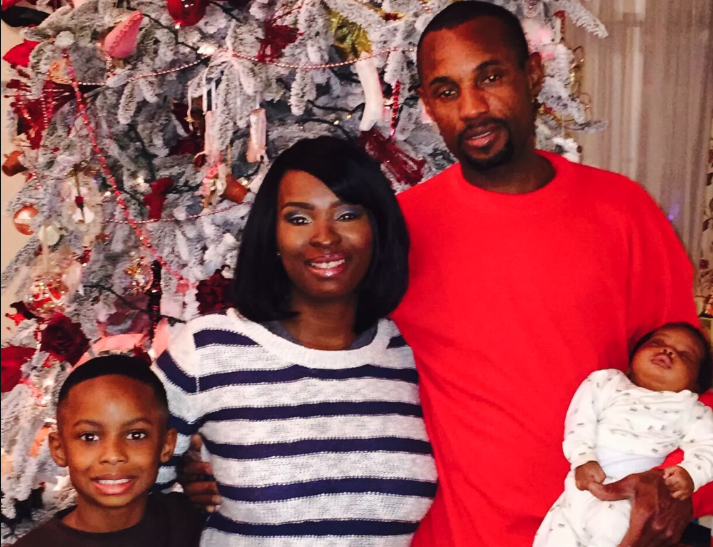
When Walker asked doctors about terminating her high-risk pregnancy to save her life, they assured her she had nothing to worry about. Then she died of preeclampsia. She left behind a son who was 14 at the time of her death. (Doctors involved in Walker’s care did not respond. The hospitals she visited did not comment on her care despite permission from her family.)
Amber Nicole Thurman 28 years old, Georgia |
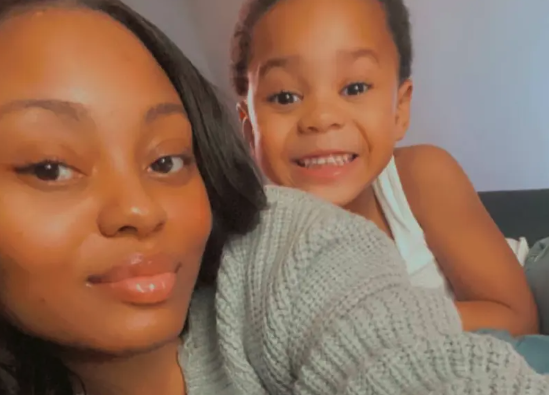
Thurman traveled out of state for an abortion after Georgia banned the procedure at six weeks. When she developed rare complications that required a procedure routinely used for both miscarriages and abortion, she went to the hospital — but doctors waited 20 hours to provide it. She left behind a 6-year-old son. (Doctors and a nurse involved in Thurman’s care declined to explain their thinking and did not respond to questions from ProPublica.)
Candi Miller
41 years old, Georgia |
Miller died at home. She had diabetes, lupus and hypertension, health conditions that made carrying a pregnancy to term dangerous, but Georgia’s abortion ban did not have exceptions that covered her situation. She navigated an abortion at home and developed complications. Her family said she didn’t visit a doctor “due to the current legislation on pregnancies and abortions.” She left behind her husband and three children.
Josseli Barnica
28 years old, Texas |
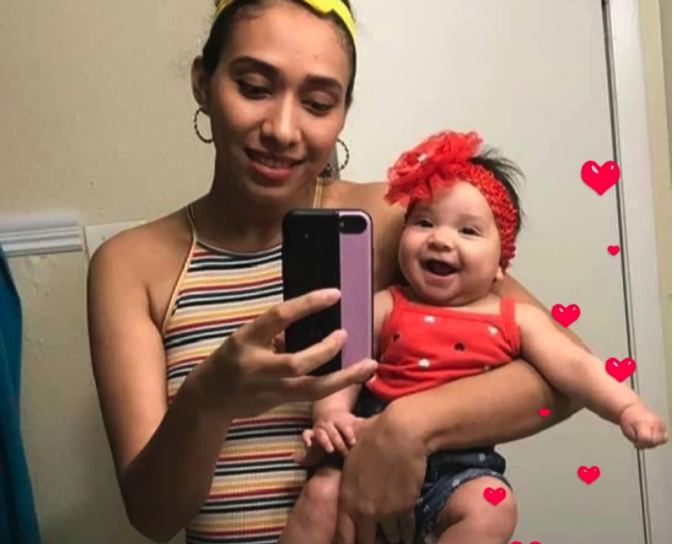
At 17 weeks pregnant, Barnica’s doctors diagnosed an “inevitable” miscarriage. But instead of offering an abortion to stave off infection, they waited 40 hours. Barnica told her husband that the medical team said it couldn’t act until the fetal heartbeat stopped. Days later, she died of sepsis. She left behind her husband and her young daughter. (The doctors involved in Barnica’s care did not respond to requests for comment.)
Nevaeh Crain
18 years old, Texas |
Doctors insisted on two ultrasounds to confirm “fetal demise" before trying to treat Crain, who was six months pregnant, as her organs began to fail. Hours later, she was dead. (Doctors involved in Crain’s care did not respond to several requests for comment.) |
|
|
Get our weekly newsletter |
Every Saturday morning, we send an email to our readers that spotlights some of our strongest reporting of the week.
This week, Surana and Presser will write to you about their recent investigations into the deaths of two pregnant women with chronic health conditions who weren’t able to get abortions that may have saved their lives. They’ll reveal some of the story behind the story and revisit the vital question: What does the “life of the mother” abortion exception actually look like in practice? |
|
|
Was this email forwarded to you from a friend? Subscribe. |
ProPublica
155 Ave of the Americas, 13th Floor New York, NY 10013 |
|
|
|