|
 |
The Case for Disruption: How Maduro’s Arrest Could Save Lives in North Carolina
A dictator is behind bars. What matters now is what it means for overdose victims thousands of miles away.
|

| |||||||||||||||


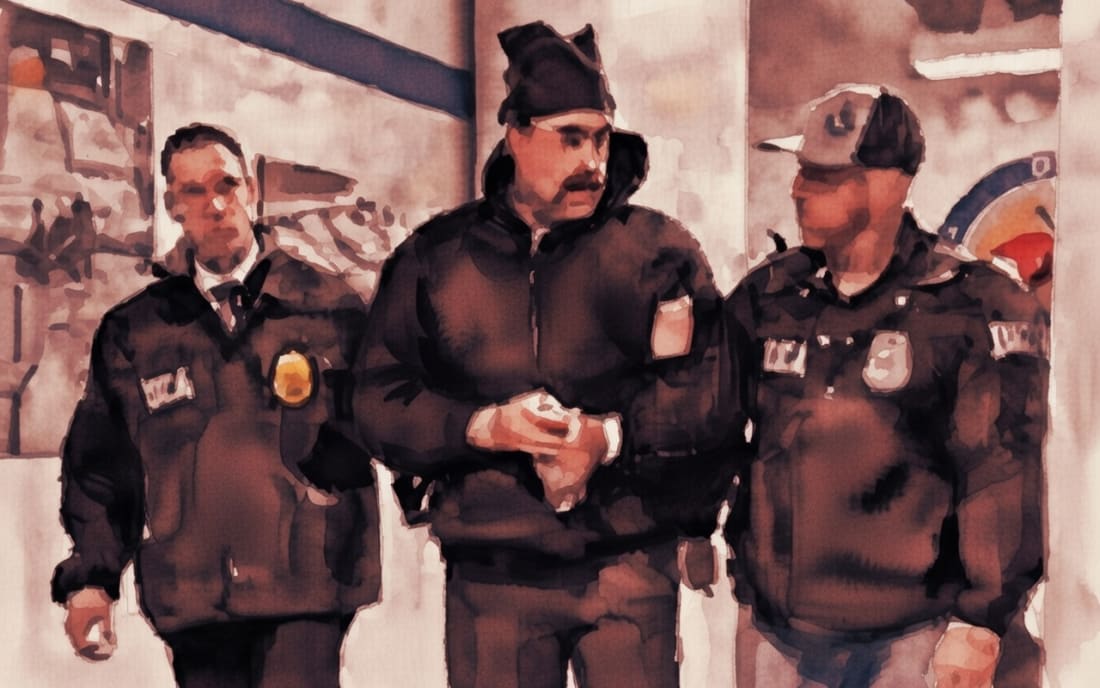 |
In the chaos of global affairs, justice sometimes lands far from the front lines. Nicolás Maduro, Venezuela’s embattled strongman, now faces U.S. charges of narco-terrorism and transnational corruption. The news made international headlines. But the real test of its impact may come not in a courtroom in New York, but in the lives of families 1,800 miles away — in North Carolina.
There, fentanyl and cocaine are quietly claiming more lives than any declared war. In 2023, drug overdoses killed over 3,500 North Carolinians — nearly ten people every day. For many, the deaths weren’t planned overdoses. They were traps — young adults snorting what they believed to be cocaine, unaware it was laced with fentanyl, a synthetic opioid 50 times more powerful than heroin.
They died before the paramedics arrived.
To understand why Maduro’s arrest matters, you have to trace the cocaine trail from Caracas to Charlotte and listen to the silence left by lives lost in kitchens, bathrooms, and dorm rooms across a state that rarely sees itself as part of international affairs.
Fentanyl Kills — But Cocaine Hides It
The U.S. fentanyl epidemic is no longer a border state crisis. It is rural, urban, bipartisan, and invisible until it’s irreversible. North Carolina has become a case study in the next phase of this crisis: cocaine laced with fentanyl, killing users who never expected to encounter opioids.
Data from Mecklenburg County shows a 200% rise in overdose deaths among Black and Hispanic residents since 2019. In 2024, even as border interdictions increased, overdose deaths remained stubbornly high. December alone saw over 220 suspected fatal overdoses statewide. That’s seven deaths per day.
The grim math is simple: most overdose victims in North Carolina did not intend to take opioids. They were partygoers, young professionals, or weekend users. Their mistake was trusting that cocaine was just cocaine.
But the market no longer respects that assumption.
Fentanyl does not originate in Venezuela. It is produced in Mexico, often with precursor chemicals shipped from China. But cocaine — the vehicle often used to deliver fentanyl into unknowing bodies — is trafficked through South America, and increasingly through Venezuela, where political protection shields traffickers and fragments enforcement.
This is where Maduro’s regime enters the frame.
The Legal Justification: Narco-Terrorism and Sovereignty
Maduro’s arrest rests on legal ground established through years of bipartisan policy. The Trump administration first designated Maduro’s regime as a narco-terrorist operation, linking it to cocaine trafficking routes that directly impacted U.S. markets.
The Biden administration maintained those sanctions, reinforcing a rare policy consensus.
In 2023, the U.S. Treasury sanctioned key Venezuelan military officials tied to the Cartel de los Soles, a criminal network embedded within the Venezuelan state. According to U.S. indictments, Maduro’s allies facilitated the shipment of tons of cocaine through Venezuelan ports, airstrips, and official corridors — often with military or intelligence protection. Some shipments were destined for Africa or Europe.
Many were aimed at the United States.
That legal framework matters. Unlike ordinary drug cases, narco-terrorism charges permit the U.S. to pursue foreign actors who conspire to traffic drugs that ultimately cause harm on American soil. These statutes are rarely used. When they are, they signal both the scale of harm and the strategic importance of the supply chain.
In short, the case against Maduro is not merely symbolic. It is one of the few legal moves capable of reaching the upstream enablers of a downstream epidemic.
Why North Carolina? Why Now?
The idea that a dictatorship in Caracas could be fueling overdoses in Greensboro may sound abstract, unless you happen to be a county coroner in Robeson or a parent in Cherokee.
Those counties now report some of the highest overdose rates in the state, far above the national average. Urban centers have not been spared either. In 2023, Greensboro hospitals recorded hundreds of overdose-related ER visits.
In a market this saturated with fentanyl, every additional contaminated shipment increases the odds that another unsuspecting user dies.
Every disruption, big or small, could reduce access, increase street prices, and slow the rate of poison entering the system.
Arresting Maduro will not end the opioid crisis. But it can raise the cost of doing business for traffickers. It can fracture the supply lines that have grown comfortable using Venezuela as a safe corridor.
And in a state where the number of annual overdose deaths rivals those of all violent crimes combined, even marginal reductions can mean lives saved.
Addiction, Sovereignty, and the Limits of Justice
Critics will rightly point out that removing Maduro does not rebuild North Carolina’s broken addiction infrastructure. Treatment access remains unequal, especially in rural areas. Harm reduction efforts face legal and cultural barriers. And while fentanyl grabs headlines, methamphetamine and alcohol continue to destroy lives below the radar.
But justice is not a zero-sum project. Prosecuting a corrupt head of state involved in poisoning foreign populations does not absolve us of the work to heal our own. It is a parallel project , one that affirms that state actors cannot weaponize drug pipelines with impunity, even from thousands of miles away.
Nor is this a partisan argument.
Both Republican and Democrat administrations saw the same pattern: a regime that leveraged sovereign control of territory to enable narcotics trafficking on an industrial scale, destabilizing markets and communities far beyond Venezuela’s borders.
North Carolina, in this context, is not just a victim, it is grim evidence.
Conclusion: What a Trial Could Do
When Maduro is ever tried in the United States, the courtroom testimony could offer something rarely seen in the drug war: upstream accountability.
It could expose how state power and organized crime merged to create transnational routes that elude local enforcement.
It could force an uncomfortable reckoning with how drug deaths in Southern towns are sometimes financed by foreign policy failure and ignored borders.
That won’t bring back the dead. But it might change how future deaths are prevented.
The suffering in North Carolina is quiet, repetitive, and mostly unseen. But it is not disconnected. And this time, a dictator’s downfall may be closer to a local health intervention than anyone imagined.
You're currently a free subscriber to Fault Line Blog With Sloan Rachmuth . For the full experience, upgrade your subscription.
| ||||||||||

