|
 |


By Catherine Ebeling, RN, MSN, Contributor, The MAHA Report
“We have the opportunity to demonstrate something nationally unprecedented: that whole-food, nutrient-dense meals can improve children’s health outcomes, reduce chronic disease risk, and create a replicable model for states across the country.” – Deirdre Goldfarb
On December 11, in Palm Bay, Florida, the state’s Surgeon General, Dr. Joseph Ladapo, joined nutrition experts, education leaders, and community stakeholders at Odyssey Charter Elementary, for a high-level summit focused on the future of school lunches across the United States.
The meeting showcased Odyssey’s 26-year commitment to wellness and featured a real-food model with the potential to redefine school nutrition nationwide.
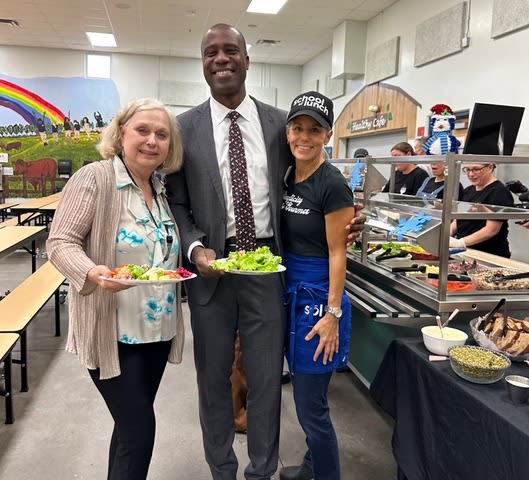 |
Dr. Ladapo was a guest of honor, welcomed by Odyssey Board of Directors and founder, Constance Ortiz (pictured above, left; and in the below photo); Charles Barth, Executive Director of SŌL (School of Lunch) West Foundation; MAHA Action’s Deirdre Goldfarb; journalist Nina Teicholz; and other key partners.
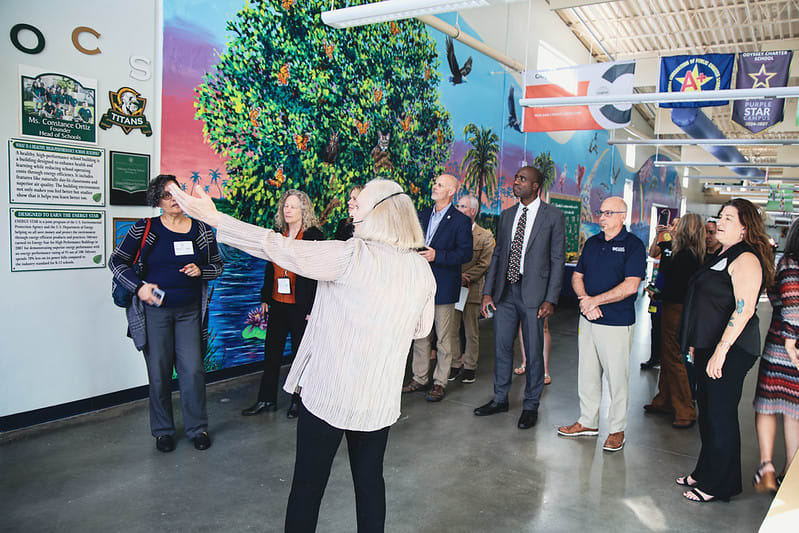
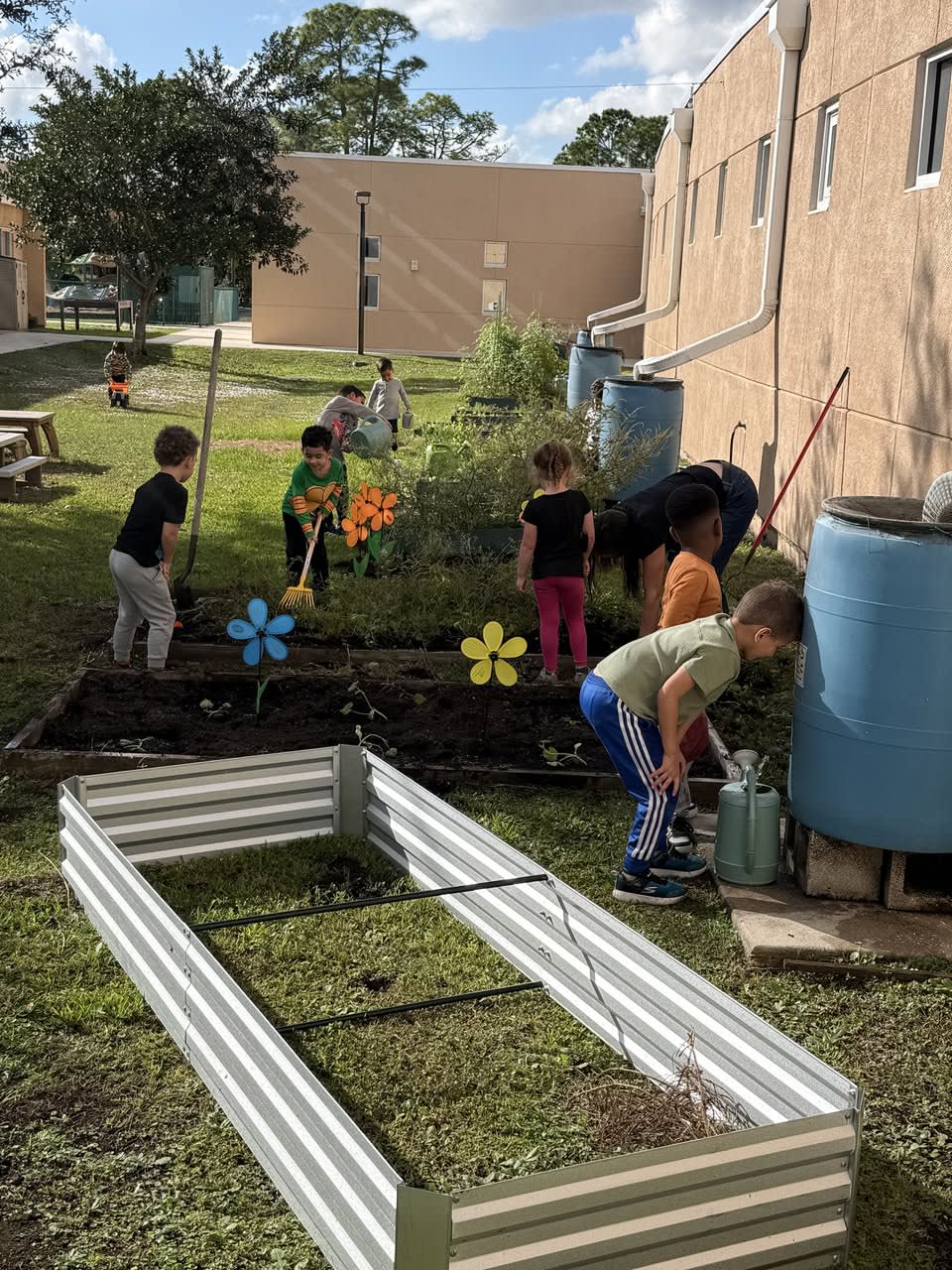
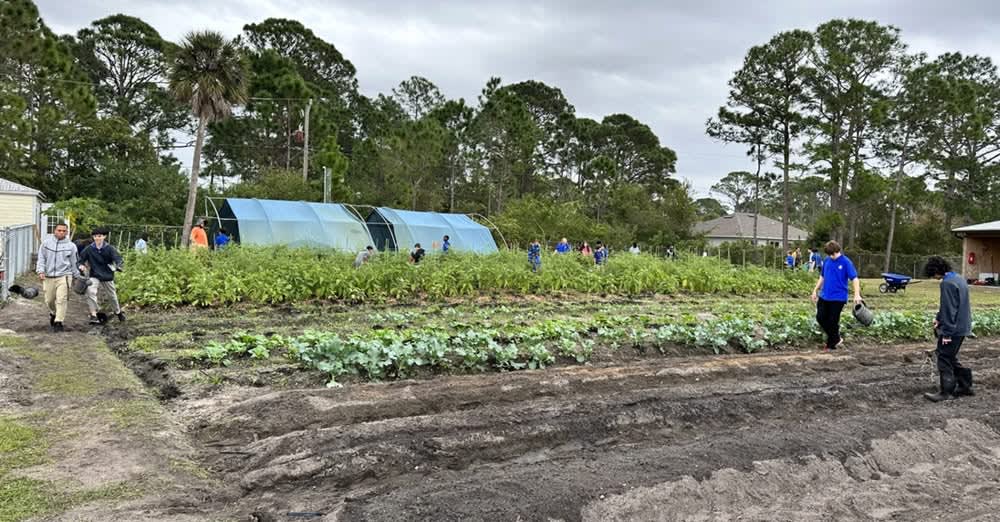
Guests toured the school’s campus, organic gardens, and real-food kitchens, observing how nutrition, education, and environment work together to nurture healthier children.
 |
“School meals represent 30% to 60% of the nutrition a child receives annually,” said Garth. “These meals either support physical and mental well-being, or squander that opportunity.”
One highlight – a scratch-cooked lunch prepared by Odyssey chefs with SŌL founders Barth and Hilary Boynton. The menu featured nutrient-dense, protein-rich dishes with healthy fats—demonstrating that real food, as opposed to the ultra-processed meals on offer to students across the country, is possible and practical.
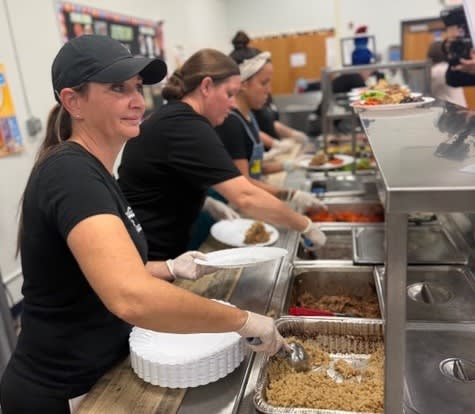 |
Cindy Chapman, Director of Nutrition for the Odyssey Charter Schools, Inc., leading a team of SŌL Certified chefs.
The conversation moved beyond food to regulatory barriers that make real nutrition difficult. Goldfarb outlined structural limitations of the National School Lunch Program (NSLP), while Teicholz proposed a research initiative to study how real-food school meals impact children’s health, behavior, and learning.
 |
“We need real-world data to push policy forward, and that starts with feeding kids real food and watching what happens,” said Teicholz, author of the book The Big Fat Surprise: Why Butter, Meat & Cheese Belong in a Healthy Diet. “We know this matters. Now we need to prove it in schools.”
As Barth later summarized, “The pilot rests on one clear principle: serve delicious meals that support strong physical and mental development.”
 |
The OurPlate School Nutrition Transformation Initiative
The visit is part of the OurPlate School Nutrition Transformation Initiative, a multi-year pilot launched in October 2025 under the CMS Rural Health Transformation Program, a federal effort to improve community health through prevention. The program currently serves 1,700 students across two Odyssey campuses with a clear goal: prove that public schools can serve nutrient-dense food that helps prevent chronic disease in children.
 |
Instead of starch-heavy, ultra-processed meals, Odyssey now serves traditional whole foods—quality proteins, natural fats, and simple ingredients prepared the way families ate long before processed food became the norm.
In most schools, meals are dominated by refined grains, added sugars, preservatives, and industrial seed oils that contribute to rising rates of childhood obesity, insulin resistance, and early metabolic dysfunction.
New research confirms that children’s food choices directly influence brain development, cognitive function, and how they respond to stress. When kids are nourished with real, whole foods instead of ultra-processed meals, the differences are immediate and measurable.
“Children’s energy and focus are a direct reflection of the food they’ve just eaten. Solid nutrition supports better attention, learning, and overall performance,” said Barth.
A Workaround That Opens the Door to Change
Because federal rules reward ultra-processed meals, Odyssey has temporarily stepped outside the NSLP. This allows the school to serve real food and rigorously track outcomes, without being bound by outdated USDA standards.
While operating outside of NSLP requires outside funding during the pilot, a transition plan is in place to reenter the federal program once sufficient data is gathered.
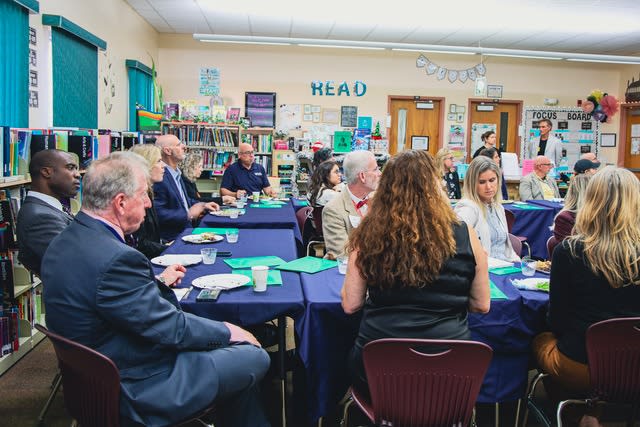 |
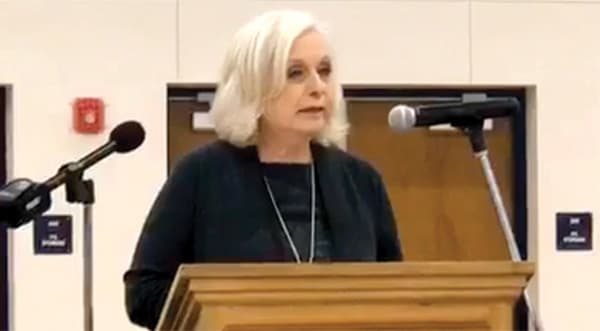
State and local officials listened as Constance Ortiz presented her ideas.
How the Program Works
Odyssey, School of Lunch, and SŌL West are collaborating to transform school meals. First, menus are rebuilt around real-food standards already tested in schools. Next comes sourcing: prioritizing organic, local, and regenerative foods that reduce children’s exposure to harmful chemicals linked to harm brain development.
Tracking Real Results From Healthy Foods
This isn’t just about changing what’s on the lunch tray; it’s about seeing what actually improves when kids eat real, healthy, traditional food.
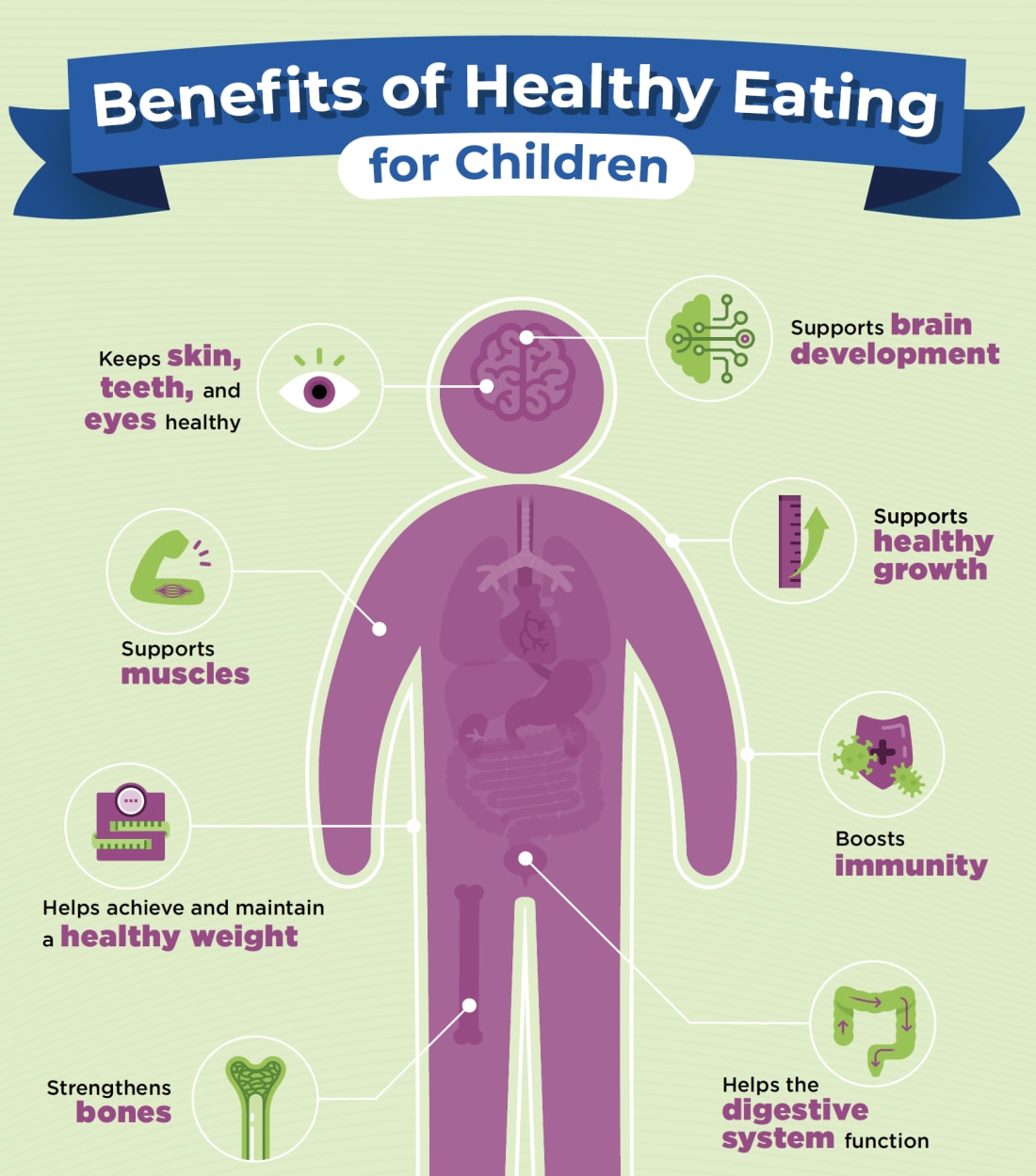 |
The program tracks children’s weight, blood sugar, blood pressure, mental health, sleep, and behavior. In the classroom, schools monitor attendance, attention, grades, and physical activity. Staff also observe how kids respond to the food – how much is eaten or wasted and whether the meals are well received.
Goals include helping 60% of at-risk students maintain or lower their weight, improving blood sugar in 70% of those with elevated levels, reducing anxiety and depression by 30%, and cutting behavioral issues by 25%, all while keeping food waste low and satisfaction high.
 |
Investing in People, Not Just Food
The initiative also invests in the people who make it work. School kitchen staff receive extensive training in food prep and child nutrition, skills they can carry throughout their careers. Culinary students gain hands-on experience, while farm-to-school partnerships support local agriculture. Families are engaged through cooking demos and nutrition events that help extend healthy habits beyond lunchtime and the classroom.
 |
A Blueprint for Schools Across the Country
“Schools are on the front lines of children’s health,” Ortiz said. “This visit affirmed that Odyssey is ready to lead, with real food, a healthy campus, and strong partnerships, towards a model that can scale across the country.”
By proving that real food can improve student health, behavior, and learning in public schools, Odyssey and its partners are building a replicable, evidence-based model for schools everywhere. This is not just about fixing lunch—it’s about changing the future of school food, and children’s health, across America.
Thank you for subscribing to The MAHA Report
You can follow us at: TheMAHA_Report on X
You can also follow us at: MAHA Action on Facebook
Make America Healthy Again™ and MAHA™ are trademarks owned by MAHA TM LLC
| ||||||||||

