An unsealed lawsuit that Trump’s FTC tried to bury puts the pricing schemes of business on full display.
 ‌ ‌ ‌ ‌ ‌ ‌ ‌ ‌ ‌ ‌ ‌ ‌ ‌ ‌ ‌ ‌ ‌ ‌ ‌ ‌ ‌ ‌ ‌ ‌ ‌ ‌ ‌ ‌ ‌ ‌ ‌ ‌ ‌ ‌ ‌ ‌ ‌ ‌ ‌ ‌ ‌ ‌ ‌ ‌ ‌ ‌ ‌ ‌ ‌ ‌ ‌ ‌ ‌ ‌ ‌ ‌ ‌ ‌ ‌ ‌ ‌ ‌ ‌ ‌ ‌ ‌ ‌ ‌ ‌ ‌ ‌ ‌ ‌ ‌ ‌ ‌ ‌ ‌ ‌ ‌ ‌ ‌ ‌ ‌ ‌ ‌ ‌ ‌ ‌ ‌ ‌ ‌ ‌ ‌ ‌ ‌ ‌ ‌ ‌ ‌ ‌ ‌ ‌ ‌ ‌ ‌ ‌ ‌ ‌ ‌ ‌ ‌ ‌ ‌ ‌ ‌ ‌ ‌ ‌ ‌ ‌ ‌ ‌ ‌ ‌ ‌

Click to view this email in your browser.

Today on TAP from the American Prospect. Ideas. Politics. Power.

DECEMBER 15, 2025

Hey! Small favor to ask before you scroll down to what you came here to do (read an excellent piece by David Dayen). What has allowed David, Harold Meyerson, and Bob Kuttner to write such illuminating work over the years are readers like you. We don't rely on corporate advertising or billionaire donors to fund our work – we’re beholden to no one but you, our readers, and our core mission of reporting on ideas, politics, and power. We have big plans for 2026 and we need to hit our $100,000 fundraising goal to do our critical work. If you believe in reader-supported, independent journalism can you chip in today to support our work?

SUPPORT US TODAY

DAYEN ON TAP

Pepsi and Walmart’s monopolization machine revealed

An unsealed lawsuit that Trump’s FTC tried to bury puts the pricing schemes of business on full display.

Before Lina Khan exited the Federal Trade Commission, the agency sued Pepsi for violating the Robinson-Patman Act, which bars suppliers from price discrimination, i.e., charging retailers different wholesale prices for their goods. That was about the extent of what we knew: The lawsuit was heavily redacted, as is customary in government cases against business. Typically, the two sides will argue about what the public can see and what constitutes proprietary business information, and a judge decides what to release.


In this case, Khan’s replacement at the FTC, Andrew Ferguson, sided with Pepsi lobbyists and dropped the case right before it could be unsealed. Ferguson and his Republican colleagues then demeaned Khan’s efforts, claiming that the lawsuit was “purely political” with “no evidence,” and an “insult to the Commission’s credibility.” This was easy to say when the case that could serve as a rebuttal was primarily blacked-out lines on a page. If it ever became public, the name-calling might look foolish.


Funny story: The Institute for Local Self-Reliance just got the case unsealed. We now know what Khan had on Pepsi. And yes, Andrew Ferguson looks foolish.


Here is the lawsuit, now with minimal redactions. It shows that Pepsi was diligently working to create a “price gap” between retail giant Walmart and its competitors. Robinson-Patman Act opponents often claim that enforcing the law simply denies consumers discounts at big-box, low-cost retailers. But the lawsuit shows how this went in both directions.


For years, Pepsi monitored the market on Walmart’s behalf, and when it would see other retailers dropping prices, it would respond to maintain the price gap. Sometimes this translated into additional allowances or special in-store promotions for Walmart, but sometimes it meant reducing or eliminating promotional payments for competitors and increasing their wholesale prices. “In other words, to enforce Walmart’s price gap, Pepsi at times seeks to drive up retail prices for Pepsi soft drinks sold by Walmart’s rivals,” the lawsuit states.


One specific example involved Food Lion, a regional chain with over 1,000 stores. It was punished for being the “worst offender” of Pepsi’s pro-Walmart bias. Pepsi then enacted a multiyear strategy aimed at raising wholesale costs on Food Lion. So this was not about discounts; it was about forcing higher prices at Walmart’s competitors.


In exchange for this assistance, Pepsi gets the best shelf space at the biggest retailer. But Walmart controls at most a quarter of the grocery market. So the vast majority of consumers shopping elsewhere are having their prices increased.

The lawsuit made clear that Pepsi did this out of fear. Despite supplying must-carry products for any grocery store, Pepsi worried about not pleasing Walmart and subsequently losing good shelf space and access to customers; the company said in financial disclosures this would have a “material adverse effect” on their business. Pepsi therefore preemptively sought to keep Walmart happy on the price gap.


I doubt Pepsi is the only one with this relationship. Walmart’s market power can force suppliers to cater to their wishes and even convert suppliers into policemen over the rest of the market, raising costs on rivals to make it hard for them to compete.


Obviously, prices are relative. If Walmart has fewer competitors, it doesn’t have to do as much to maintain “price leadership.” Pepsi and other suppliers, by favoring Walmart, are moving them closer to monopoly and raising prices for everyone, including Walmart shoppers.


Antitrust cases offer a unique window into business decision-making. We have a sense that prices are going up and that Walmart has knocked out many of its independent competitors, but we don’t always know the mechanisms behind it. Now we do. Unfortunately, the Trump FTC is so in hock to business lobbyists that they dismissed the case and tried to prevent us from knowing about it.


There is a silver lining here, however. The revealed lawsuit fits into a broader movement against price discrimination and the ways in which consumers are being squeezed. Private and state-level cases are likely to take on retailers and suppliers now that this information is out there. But new technologies using prices to extract go beyond Pepsi and Walmart’s old-school tactics, and are really angering consumers.


Groundwork Collaborative released a wild study last week where 400 secret shoppers bought the same items at the same time from the same locations on Instacart, and saw price variance of more than 20 percent. Instacart claimed they were just doing testing, but people don’t really like being guinea pigs for a Big Data pricing scheme that they know intuitively won’t benefit them. (Actual studies confirm that intuition; faster price changes lead to “substantially higher equilibrium prices,” a recent study shows.) Instacart stock plummeted on the news and even Chuck Schumer was riled up about it.


Andrew Ferguson and business titans have nowhere to hide. People know they’re being gouged and they won’t abide politicians and regulators who stand with the gougers. This is a change in our politics, and anyone who doesn’t recognize it will get steamrolled.


David Dayen
Executive Editor

On the Prospect website

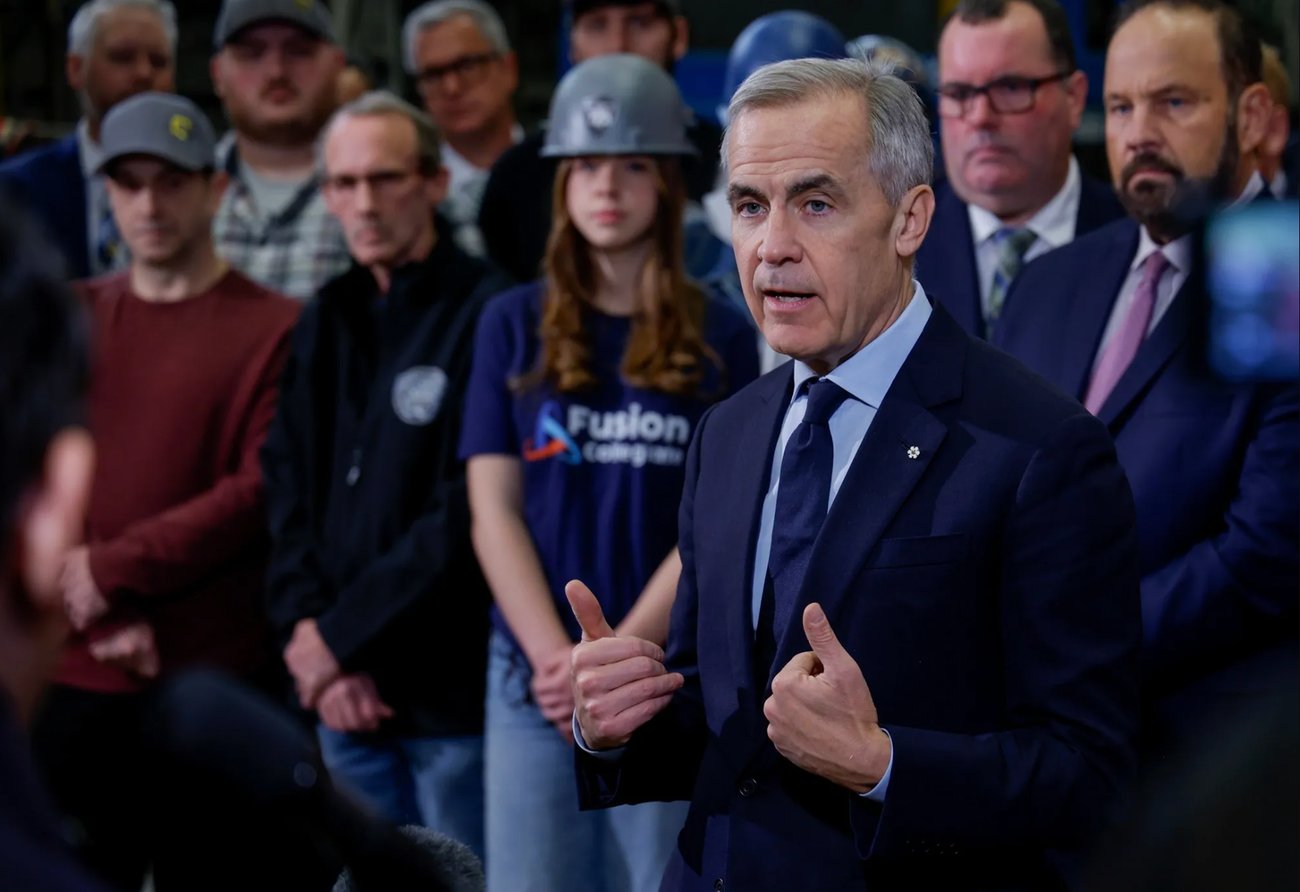
Can Canada Rescue North America?

Canadian Prime Minister Mark Carney has a grueling mission ahead to preserve the U.S.- Mexico-Canada trade agreement.

BY GABRIELLE GURLEY

Republican Conundrum: Working-Class Base, Plutocratic Agenda

Last week, some swing-district Republicans inched away, selectively, from their party’s economics.

BY HAROLD MEYERSON

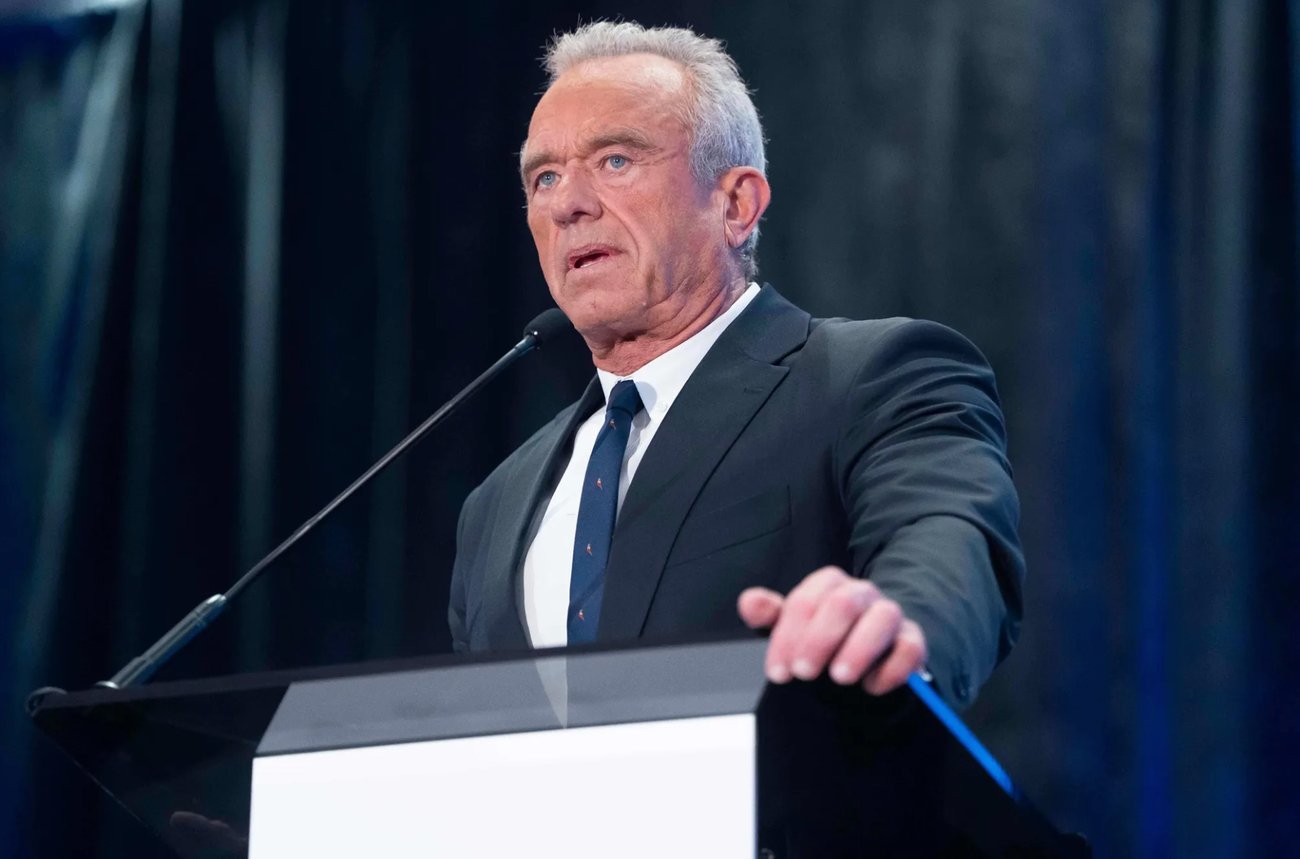
The Kennedy Center of Contagious Diseases

Measles and whooping cough are spreading around the country. The man in charge of American public health is making everything worse.

BY RYAN COOPER

To receive this newsletter directly in your inbox, click here to subscribe.

The American Prospect, Inc., 1225 I Street NW, Suite 600, Washington, DC xxxxxx, United States
Copyright (c) 2025 The American Prospect. All rights reserved.

To manage your newsletter preferences, use our preference management page.

To unsubscribe from all American Prospect emails, including newsletters, follow this link to unsubscribe.