Black immigrants are more likely to be deported.‌
 ‌ ‌ ‌ ‌ ‌ ‌ ‌ ‌ ‌ ‌ ‌ ‌ ‌ ‌ ‌ ‌ ‌ ‌ ‌ ‌ ‌ ‌ ‌ ‌ ‌ ‌ ‌ ‌ ‌ ‌ ‌ ‌ ‌ ‌ ‌ ‌ ‌ ‌ ‌ ‌ ‌ ‌ ‌ ‌ ‌ ‌ ‌ ‌ ‌ ‌ ‌ ‌ ‌ ‌ ‌ ‌ ‌ ‌ ‌ ‌ ‌ ‌ ‌ ‌ ‌ ‌ ‌ ‌ ‌ ‌ ‌ ‌ ‌ ‌ ‌ ‌ ‌ ‌ ‌ ‌ ‌ ‌ ‌ ‌ ‌ ‌ ‌ ‌ ‌ ‌ ‌ ‌ ‌ ‌ ‌ ‌ ‌ ‌ ‌ ‌ ‌ ‌ ‌ ‌ ‌ ‌ ‌ ‌ ‌ ‌ ‌ ‌ ‌ ‌ ‌ ‌ ‌ ‌ ‌ ‌ ‌ ‌ ‌ ‌ ‌ ‌
Was this email forwarded to you? Sign up here to get The Daily Prospect Monday through Friday.

DECEMBER 12, 2025

Click to read this email in your browser.

Two years ago, news highlighting an uptick in Haitian migrants arriving in Massachusetts made headlines, a reality brought on by worsening socio-political conditions in Haiti. I watched news clips of families sleeping on the floors of Boston Logan International Airport, waiting to be placed in a temporary shelter. I reported on how Massachusetts and Boston converted a community center in Roxbury, a historically Black neighborhood, into temporary shelter space, in the face of local backlash. When I learned that hotels sheltering migrants were being relentlessly targeted by neo-Nazi hate groups, I felt more than just concern—I wondered what the commutation of these developments signaled about the status of Black non-citizens in the U.S.

My inspiration for covering the vulnerable position of Black immigrants in the U.S. stemmed from what I observed then, and how the Trump administration is perpetuating anti-Black racism via its immigration policies now. But as you’ll read, the unique experiences of Black immigrants within the criminal and immigration legal systems is not a recent phenomenon: It’s a consequence of racism being the foundation on which the U.S was built upon.

–Naomi Bethune, writing fellow


Lucas Boland/Sipa USA via AP Images

The Vulnerability of Black Immigrants

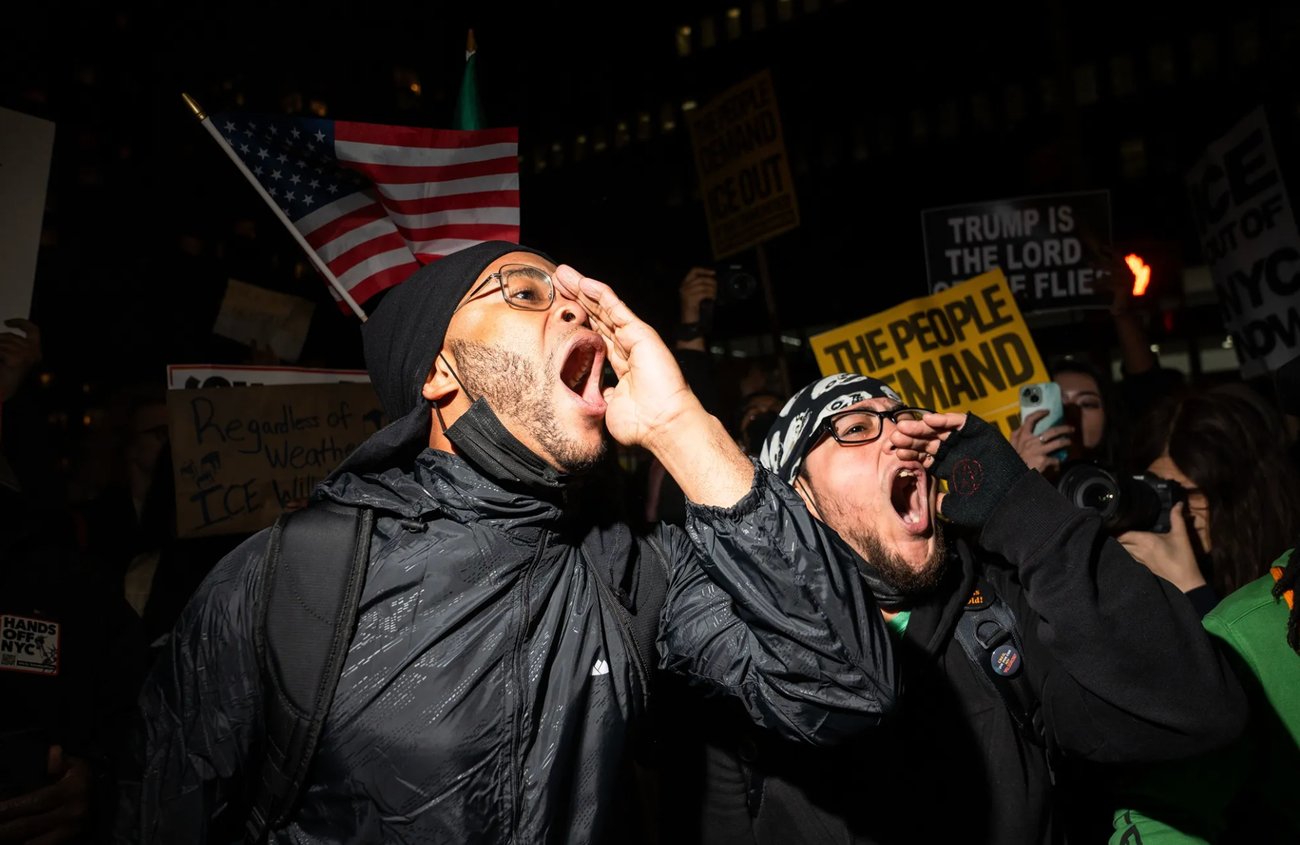
In broad daylight on October 21, amongst the hustle and bustle of Canal Street in New York City, more than 50 federal agents arrived, via military-style trucks and on foot. In moments, agents accosted and detained multiple street vendors, all of whom were of African descent. Nine immigrants hailing from various African countries were taken into ICE custody, the agency stated, in a “targeted, intelligence-driven enforcement operation … focused on criminal activity related to selling counterfeit goods.”


However, amid the flurry, federal agents also arrested several people who were either citizens, or possessed documentation of their legal immigration status. A video taken by an observer showed a Black man, who persistently says that he was born in New York, being forcibly detained by ICE agents.


Just weeks earlier, on the predominantly Black South Side of Chicago, locals were awoken in the middle of the night by the sound of a helicopter above their homes and multiple unmarked vehicles, including moving trucks packed to the brim with ICE agents. Reports detail armed men bursting into dozens of apartments in a complex that housed a mixture of Black U.S. citizens and migrants from Latin America, zip-tying men and women, and after sorting them by race, detaining them for hours in vans and on the sidewalk. Babies and children who were “nearly naked” were also zip-tied, as their parents received no information about the nature of the raid, or if they were free to go.


Both instances represent two key issues that have remained largely unrecognized in conversations about immigration in the U.S. First: The conception that immigrants hail mainly from Latin America and are the primary targets of immigration enforcement is false. Second: The persecution of undocumented immigrants has affected and will continue to affect U.S.-born individuals, particularly members of marginalized groups. It is not only Hispanic people with legal status who may be affected by immigration enforcement activity: Black people, regardless of immigration status, are vulnerable.

Continue reading this story

Join us live at 12:30 pm ET today for the Prospect Weekly Roundup, where Executive Editor David Dayen will speak with Suzanne Gordon and Steve Early about Trump’s war on the VA and veterans’ benefits.

Subscribe to TAP on YouTube

ON OUR SITE

Democratic voters are clamoring for AI regulation. Their leaders aren’t interested.

Cadillac Desert reconsidered: Environmentalists in the 1970s and ’80s internalized a lot of Reaganite politics.

A photo from the Prospect story.