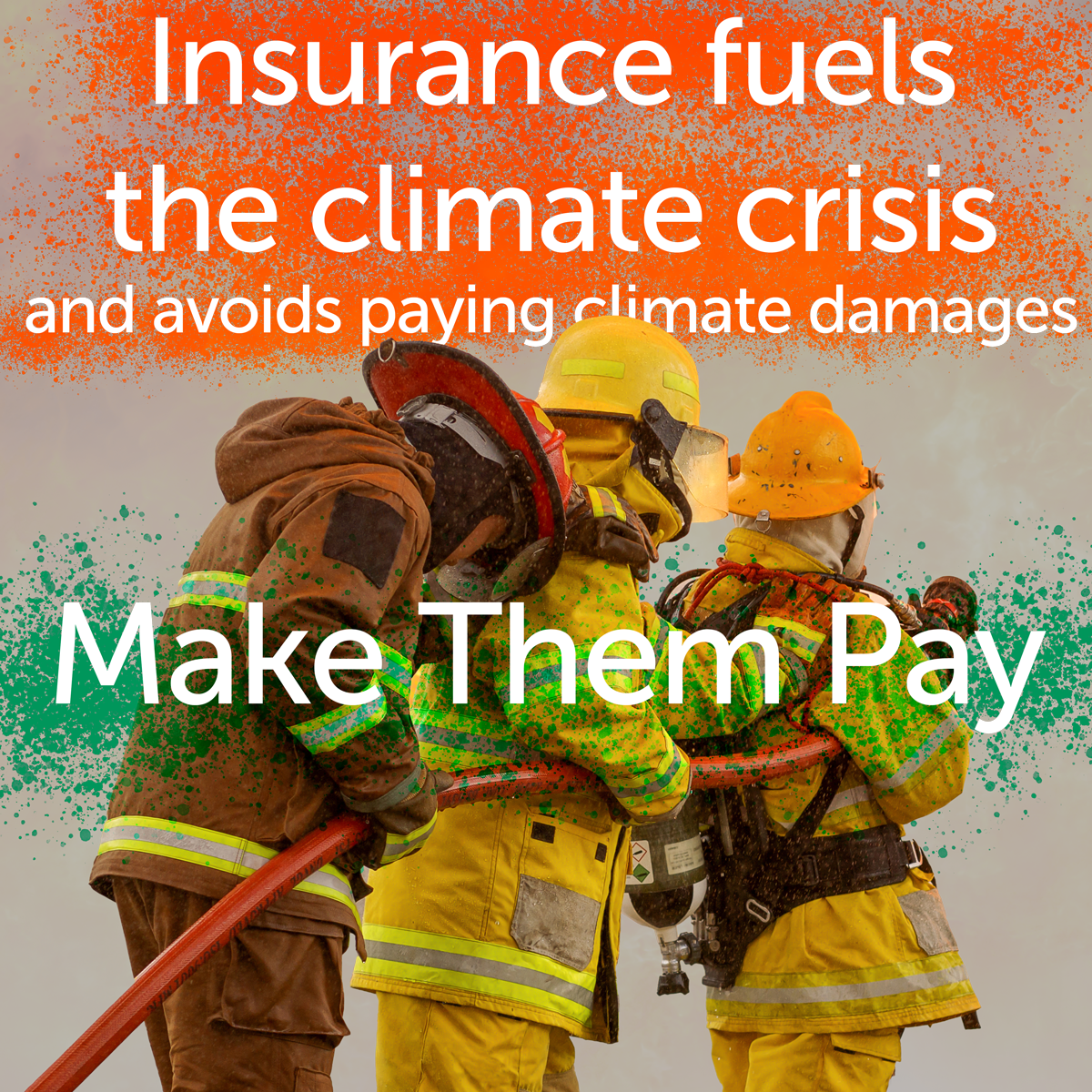
Across the country and around the world, communities and people are struggling to adapt to climate chaos. The insurance policies they've used for generations to protect their homes and communities against floods, fires, and hurricanes aren't keeping pace. And, as we've told you before, fossil fuel projects need three things to operate: permits, money, and insurance. Without insurance, fracking wells, LNG facilities, and pipelines can’t be built. Insurers are also big investors, with hundreds of billions of dollars invested in coal, oil and gas companies.
It's a vicious cycle, one that leaves families unprotected while corporations profit. The Fossil-Free Insurers Act is state-level legislation that breaks that cycle. Here's how it works:
- Requires major insurers to phase out fossil fuel investments and underwriting by 2035,
- Imposes penalties for companies that fail to comply, and
- Directs funds toward clean energy and climate resilience for disadvantaged communities.
This is how we hold insurers accountable and protect the people they serve. For too long, insurers have operated in the shadows, quietly investing in fossil fuel expansion while blaming climate change for pulling out of vulnerable communities. The Fossil-Free Insurers Act changes that dynamic. It makes transparency, accountability, and climate responsibility a condition of doing business in our state.
By passing this legislation, lawmakers can ensure that every insurer operating here aligns its investments with science-based climate goals, discloses its fossil fuel ties, and prioritizes people over polluters. This reform would end the perverse incentives that reward companies for fueling the very disasters they cite to raise rates and finally give families the long-term protection and stability they deserve. Click here to tell your Governor and Legislators to get on board.
Thanks for all you do,
Drew & the 198 methods to make polluters pay for the climate crisis