In This Issue
The 2026 Minnesota Department of Natural Resources’ Roundtable — an annual gathering of conservation partners focused on discussing fisheries, wildlife, and ecological and water resource topics and encouraging partnerships — will again include a no-cost, open registration opportunity.
The 2026 DNR Roundtable will be held Friday, Jan. 9. The opportunity to register for one of a limited number of first-come, first-served slots will open at noon on Monday, Dec. 8 via a registration link on the DNR’s Roundtable webpage (mndnr.gov/roundtable).
Anticipated topics for the 2026 Roundtable include the science behind fish and wildlife limits, the 75th anniversary of Wildlife Management Areas, balancing management of aquatic vegetation, wake impact research, the future of fair chase and more. Program details will be available closer to the event.
###
Winter is the ideal time to prune or remove oaks
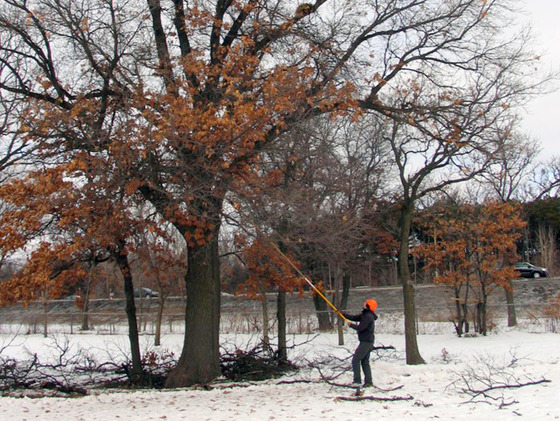 Now through February is a great time to prune or cut oaks without the risk of oak wilt infection, according to the Minnesota Department of Natural Resources.
Oak wilt is an invasive fungal disease deadly to all of Minnesota’s oak species. One of the ways it spreads is by sap-feeding beetles that carry spores from infected trees to fresh wounds of healthy trees. The disease is common in east-central and southeast Minnesota and is expanding north and west.
“Oak wilt is very expensive to treat, but prevention is often effective and much less costly — even free,” said Brian Schwingle, DNR Forest Health Program consultant. “One of the best ways to help protect oaks is to do necessary pruning or cutting in winter, which is the safest season to avoid risk of infection.”
The public can help prevent oak wilt expansion by waiting until cold weather to prune their oaks. Schwingle said the highest infection risk for oak wilt occurs in spring and early summer because the beetles are active in warm weather, so it’s important to avoid wounding or pruning oaks April through July.
More details about oak wilt, including identification, prevention and how best to deal with infected trees and wood, can be found on the DNR’s oak wilt management webpage (mndnr.gov/oakwilt).
Looking for assistance to address oak wilt or other tree-related concerns? Visit the DNR ‘Hiring an arborist’ webpage (mndnr.gov/treecare/hiring-arborist.html) for information on hiring a tree care professional.
###
|