|
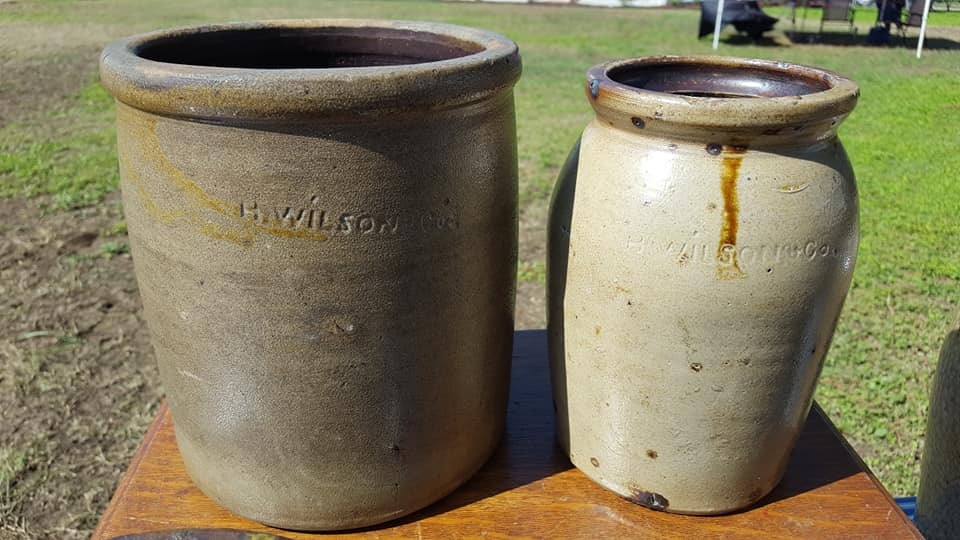
The Wilson Pottery Pioneers, Hiram, James, and Wallace Wilson, reached Texas as enslaved men in 1856 and were brought to the small community of Capote outside of Seguin. After their arrival, they learned pottery-making skills while assisting their enslaver in building a successful pottery business. Following the Civil War, during the post-slavery era, they were granted some land and equipment in Capote by their enslaver, allowing them to apply their trade as potters to establish and maintain their own pottery business. Historians consider the Wilson potters to be the first African businessmen in Texas. Join us to learn more!
Presented by: Paula King Harper, Board Chair of Wilson Pottery Foundation and a fifth-generation descendant of Hiram Wilson. Paula coordinates the annual Wilson Pottery Show, held in conjunction with Seguin’s Pecan Fest Heritage Days every October.
Date: Thursday, February 20, 6 p.m. Central
Platform: Zoom (Registrants will receive the link in their registration confirmation email and in another email closer to event date)
Cost: Free (Donations in support of the Friends of the Texas Historical Commission are welcome and appreciated!)

When Texans think of homecoming mums, two images come to our minds: the style of mums popular during our high school years, and the gigantic mums we see today in social media. The forces driving the evolution of homecoming mums are complicated and intertwined with the history of the state itself. When it comes to homecoming mums, you might say that “Everything’s bigger in Texas” is both a statement of fact and a call to action. Bring your school spirit and join us for this MUMentous event!
Presented by: Amy J. Schultz, author of MUMENTOUS and owner of Unplain Jane Studio, which blends her enthusiasm for photography, writing, people, and, as she puts it, “stories that hide in plain sight.”
Date: Thursday, March 20, 6 p.m. Central
Platform: Zoom (Registrants will receive the link in their registration confirmation email and in another email closer to event date)
Cost: Free (Donations in support of the Friends of the Texas Historical Commission are welcome and appreciated!)
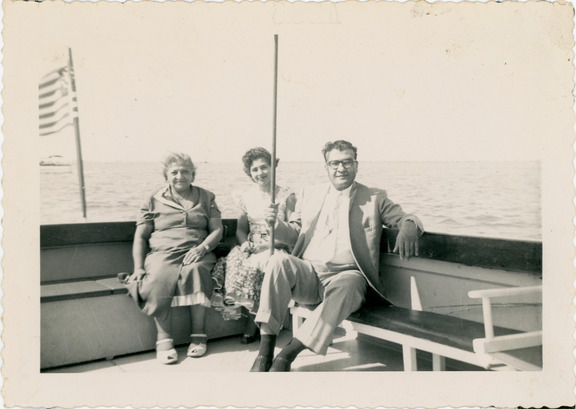
The Syrian and Lebanese immigrants who began settling in Texas in the 1880s brought new cultural threads to the landscape, while they were also changed in many ways. Please join the Khayrallah Center for Lebanese Diaspora Studies for a conversation on “Texas Bound,” a multi-part project that explores the rich history and experiences of Syrian and Lebanese immigrants and their descendants in the Lone Star State. Led by Dr. Akram Khater, director of the Khayrallah Center, this virtual event will highlight and celebrate the community’s indelible mark on the history of Texas. Join us!
Presented by: Dr. Khater is a professor of history at North Carolina State University. He has published extensively on Lebanese migration to the United States. He is also the Khayrallah Chair in Lebanese Diaspora Studies, a University Faculty Scholar, and the editor of Mashriq & Mahjar: Journal of Middle East and North African Migration Studies.
Date: Thursday, April 24, 6 p.m. Central
Platform: Zoom (Registrants will receive the link in their registration confirmation email and in another email closer to event date)
Cost: Free (Donations in support of the Friends of the Texas Historical Commission are welcome and appreciated!)
Additional Events at State Historic Sites
- Jan. 9 - A Soldier's Life, Fort Lancaster
- Jan. 11 - Second Saturdays, Fulton Mansion
- Jan. 11 - Coffee at the Fanthorp Inn, Fanthorp Inn
- Jan. 11 - Feeding the Frontier Army: Cooking Cornbread, Fort McKavett
- Jan. 11 - Journey Through Time: Travel in the 1840s, Landmark Inn
- Jan. 14 - SPARK! - Threads of the Revolution: Uniforms, San Jacinto Battleground
- Jan. 16 - Third Thursday Reading Program, Bush Family Home
- Jan. 18 - 1836 Camp of Instruction, Presidio La Bahia
- Jan. 18 - Archeology Spotlight, San Felipe de Austin
- Jan. 18 - Preserving Pictures: Photography Presentation & Workshop, Levi Jordan Plantation
- Jan. 18-19 - Huddled 'round the Hearth, Barrington Plantation
|