State Insurance Marketplaces Can Raise the Bar on Health Equity
As part of its push to improve health equity, the federal government now requires all insurers selling marketplace plans to take steps to reduce health disparities and track certain clinical data by race and ethnicity. State-based marketplaces have authority to supplement these efforts. On To the Point, Georgetown University’s Jalisa Clark and Christine Monahan highlight California and Washington’s efforts to improve data collection and measurement and impose financial penalties on insurance carriers that fail to meet benchmarks.
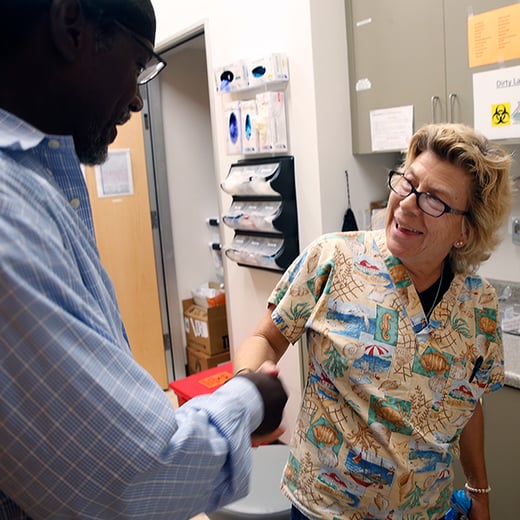
Care Providers Can Do a Lot to Meet Patients’ Social Needs
Meeting patients’ social and economic needs not only improves health outcomes but also reduces demand for costly, avoidable care. But in the absence of additional resources, efforts to address these drivers of health in clinical settings have proved challenging. A Commonwealth Fund brief by researcher Celli Horstman uses survey and state Medicaid data to show how unmet needs are affecting communities across the U.S. and how providers, payers, and policymakers are attempting to close the gap.
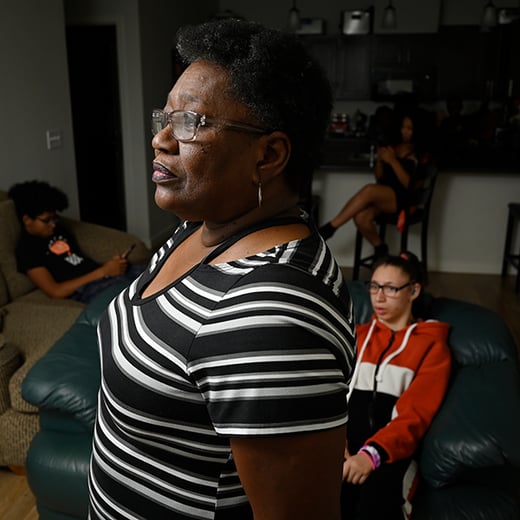
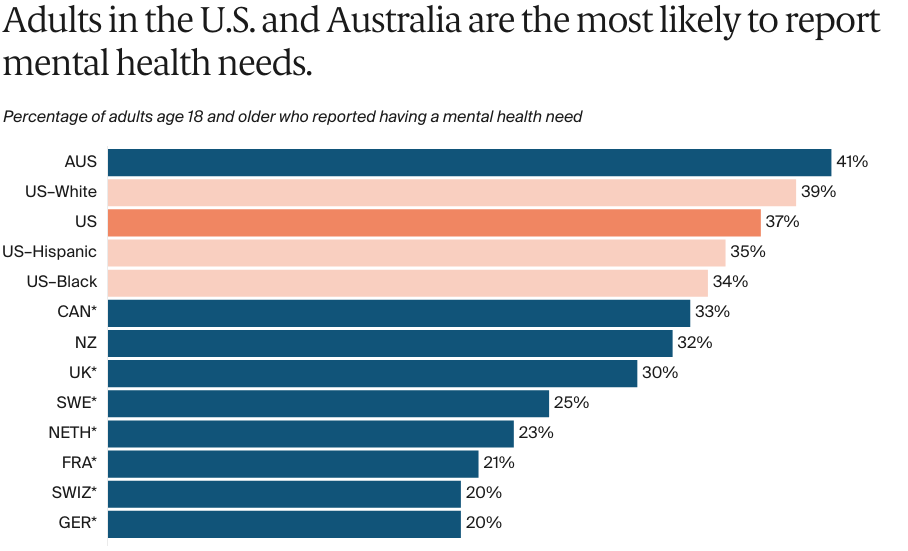
The prevalence of mental health needs is an important indicator of a society’s overall well-being, and it’s inextricably linked to social drivers of health like poverty and housing. New Commonwealth Fund survey research highlights the elevated rates of mental health needs in the U.S. relative to other high-income countries and the health inequities that are often tied to them. Among the findings: Australian and U.S. adults are the most likely to have mental health needs, and Black Americans with mental health needs are the most likely to have multiple chronic conditions and at least one social need.
What percentage of Americans in 2023 reported having a mental health need as well as at least one social need?
10 percent
20 percent
40 percent
60 percent
Scroll down to see if you got it right.
Young Health Care Workers Are Burning Out
Workplace discrimination coupled with stress during the COVID-19 pandemic have led to unprecedented burnout among young health care workers. On To the Point, the Commonwealth Fund’s Morenike Ayo-Vaughan and Laurie Zephyrin, M.D., say that generational differences seen in recent survey results suggest that health system leaders need to modernize the workplace and workforce practices to better reflect the values of younger health care workers.
When you’re caring for an aging parent, you want the best care possible. But what does that care cost? And who pays for it? In the latest episode of the podcast Uncared For, produced by Lemonada Media and the Commonwealth Fund, AARP caregiving expert Amy Goyer talks to SuChin Pak about how she was forced into bankruptcy simply by trying to give her parents the best care possible.
What does the dawn of GLP-1 drugs mean for Black people in the U.S.? In partnership with STAT, Word in Black’s Anissa Durham investigates the question in two pieces, one focusing on the drugs’ health equity impacts and another that shares the stories of how 14 Black Americans feel about their health, the new obesity tools, and “the relentless pressure to not be fat.”
Protecting Vulnerable Patients from Climate Shocks
Preterm and early-term births increase during prolonged heat waves, and those increases are most pronounced for patients who are younger, have a high school education or less, or belong to a racial or ethnic minority group, according to a recent study in JAMA Network Open. Transforming Care explored the strategies health care organizations are using to identify and protect patients who may be at greater risk during climate shocks, including heat waves and floods.
QUIZ: Answer
The answer is C, 40 percent.
Learn more about mental health needs in the U.S. on To the Point, where the Commonwealth Fund’s Reginald Williams and Munira Gunja also discuss how other countries are addressing health-related social needs of people experiencing mental health issues. Unless strategic investments are made to address critical social drivers of health like discrimination and education, U.S. policymakers, they say, will find it difficult to meaningfully reduce the nation’s mental health burden.
Affordable, quality health care. For everyone.
The Commonwealth Fund, 1 East 75th Street, New York, NY 10021