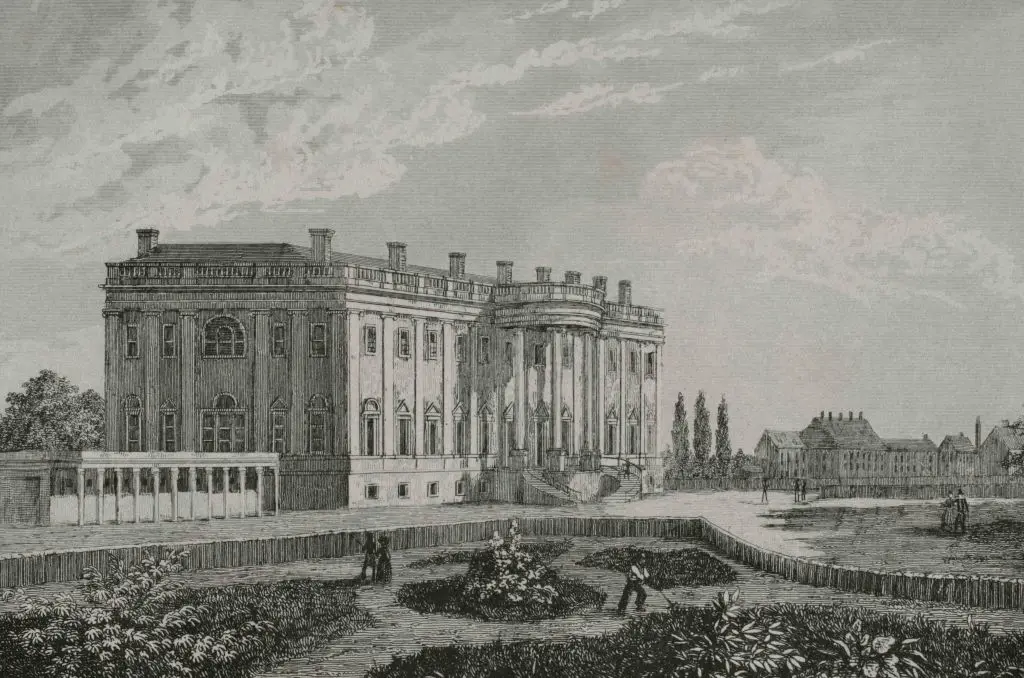
On June 3, 1800, President John Adams made a historic journey, relocating to the young nation's newly designated capital, Washington, DC. This move marked a significant moment in American history, as Adams became the first President of the United States to reside in the city that would come to symbolize the nation's governance and aspirations. Prior to this, the U.S. capital had shifted locations multiple times, with Philadelphia serving as the most recent seat of government. The relocation to Washington was prompted by the Residence Act of 1790, which aimed to establish a permanent capital along the banks of the Potomac River, a location chosen by George Washington and others for its strategic and symbolic importance.
Adams' move was not just a personal relocation but a monumental step in the transition of power and political operations to Washington, DC. The city, however, was still under construction and far from the grandeur it would later hold. The President's House, later known as the White House, was itself an active construction site. Despite these conditions, Adams' arrival in Washington was a bold embodiment of the new American experiment — setting a precedent for future presidents and solidifying the city's status as the heart of American political life. This pivotal relocation underscored the growing pains of a fledgling nation and the enduring vision of its leaders to forge a distinct and lasting seat of government.